



End of an Era as American Trucking Company Ceases Operations
Yellow Corp., whose trucks have been a fixture on American highways, is filing for bankruptcy and has ceased operations. “Yellow has historically proven that it could not manage itself despite billions of dollars in…
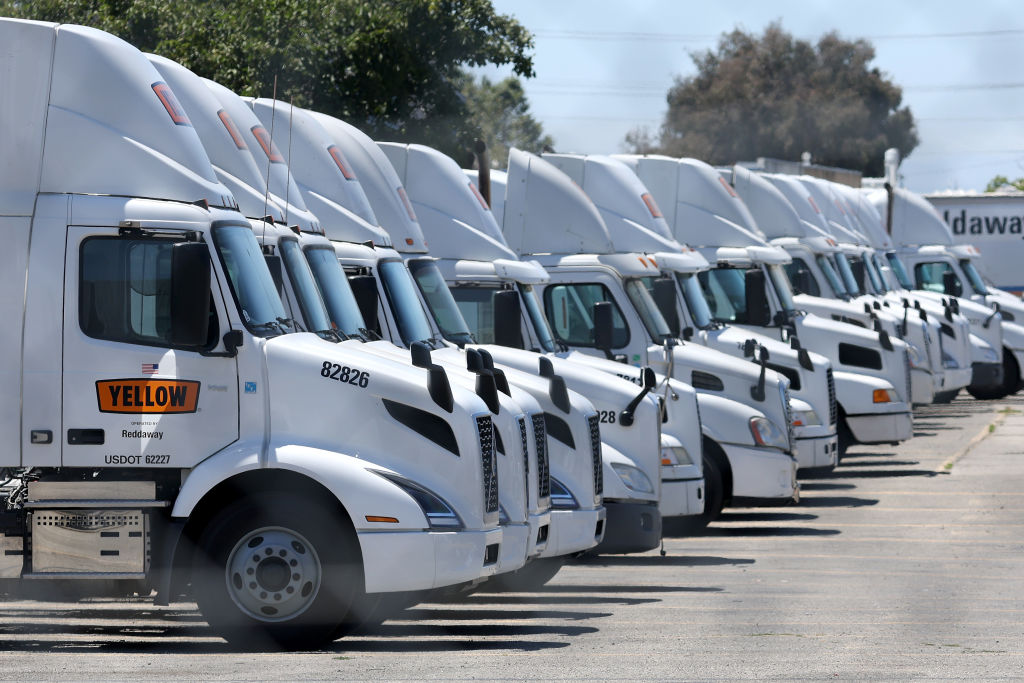
Yellow Corp., whose trucks have been a fixture on American highways, is filing for bankruptcy and has ceased operations.
“Yellow has historically proven that it could not manage itself despite billions of dollars in worker concessions and hundreds of millions in bailout funding from the federal government,” Teamsters General President Sean M. O’Brien said in a statement, according to Reuters.
The 99-year-old trucking company will lay off all 30,000 employees, according to CNN. The Teamsters Union represents about 22,000 drivers and dock workers who are now out of work.
Yellow, which has a fleet of more than 12,000 trucks, notified customers and employees on Sunday that it would cease operations, prepare to file for bankruptcy and sell off parts of the company, according to the Wall Street Journal.
The Journal called Yellow’s demise the “biggest collapse in terms of revenue and jobs for the fickle U.S. trucking industry.”
“It’s an incredibly sad situation because there’s the potential that this company that was about to celebrate its 100-year anniversary next year may not be around,” said Chris Sultemeier, a Yellow board member since 2020.
On Friday, Teamsters officials told local