



EXCLUSIVE: FCC Commissioner Wants Regulatory ‘Cows’ Lined Up ‘For The Slaughterhouse’
Federal Communications Commission (FCC) Commissioner Nathan Simington outlined the regulatory “cows” his agency is “lining up for the slaughterhouse” as part of its “Delete, Delete, Delete” initiative, in an interview…
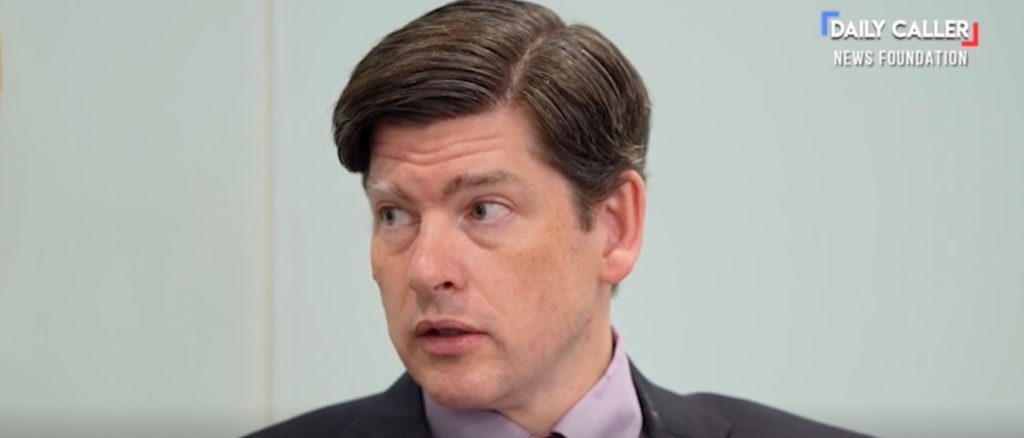

Federal Communications Commission (FCC) Commissioner Nathan Simington outlined the regulatory “cows” his agency is “lining up for the slaughterhouse” as part of its “Delete, Delete, Delete” initiative, in an interview with the Daily Caller News Foundation.
The Trump-era deregulatory push, spearheaded by the commissioner and FCC Chair Brendan Carr, targets what Simington described as outdated broadcast media regulations — rules from the Truman administration that no longer reflect the media landscape in 2025.
“Let’s talk about profane cows, because these are the ones that we’re lining up for the slaughterhouse,” Simington told the DCNF. “I think one of the prime areas of interest for ‘Delete, Delete, Delete’ should be our broadcast media regulations. These broadcast media regulations, in many cases, come — you were talking about the Truman administration — some of them are just that old. Others are from the 1970s. They’re from an era when broadcast media was the only form of telecom media that most people had access to. Obviously, that has changed radically.”
WATCH:
📺 Embedded media — coming soon
The “Delete, Delete, Delete” initiative, launched in March, invites the public to flag FCC rules they believe should be scrapped. The aim, according to Simington, is to modernize the Commission’s rulebook by gutting what he called “path dependen” relics from a pre-streaming era.
“In 2023, streaming subscriptions surpassed cable subscriptions in the United States, and broadcasters are not in the same kind of economic and cultural positions that they once were,” he said. “So, the idea that should still be as intensely regulated as they were during that era — even if you are a believer in media regulation, which I’m not, particularly — but even if you were, the argument isn’t there anymore. There really is no argument other than path dependence and historical practice.”