




Explainer: Trump’s Diplomatic Legacy: Lost Trust, Scarred Ties and Sanctions
President Donald Trump made some of his flashiest 2016 campaign pledges in foreign policy areas, such as vowing to reevaluate the U.S. relationship with NATO, abandon a landmark nuclear deal with Iran and bring U.S…
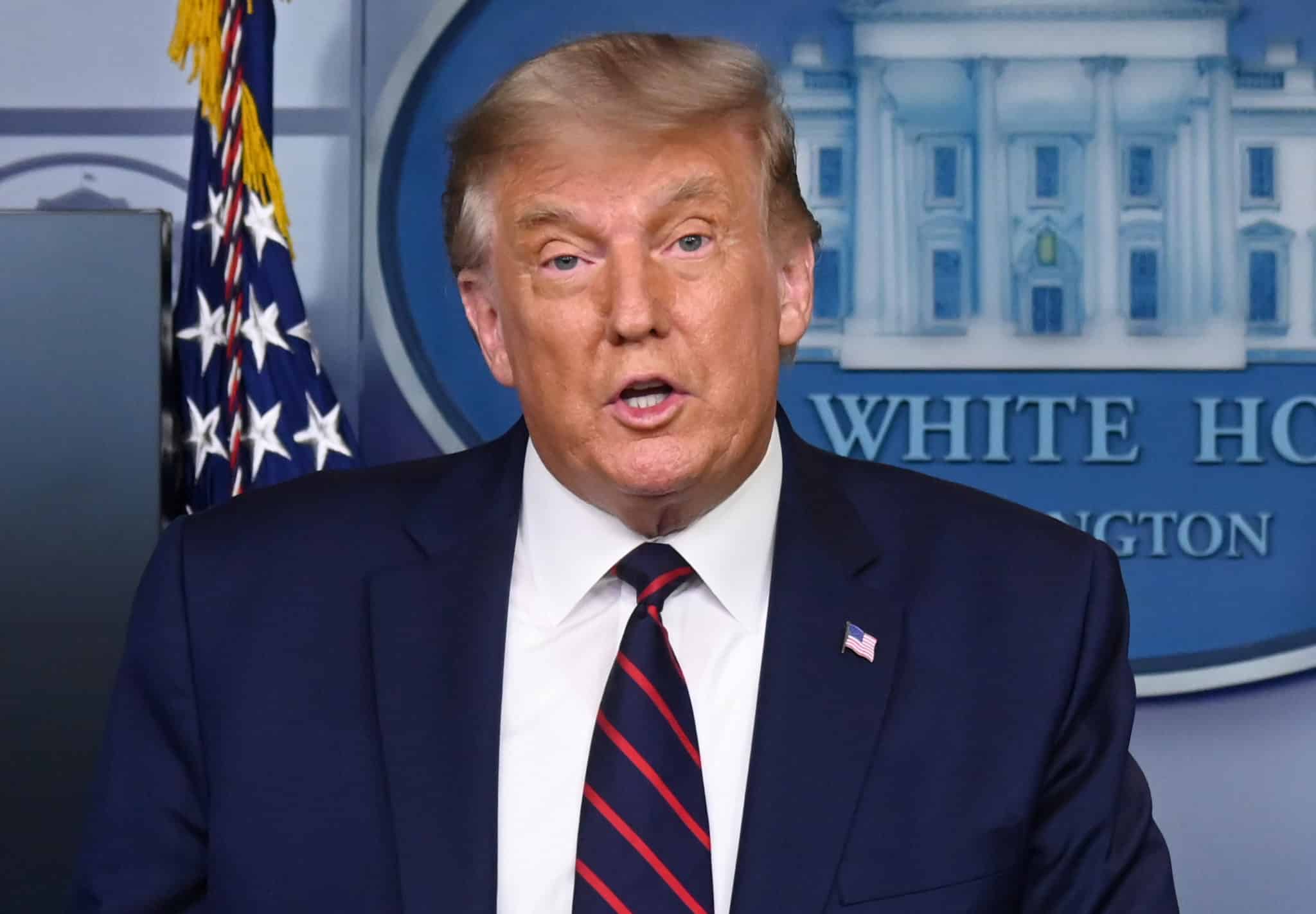
President Donald Trump made some of his flashiest 2016 campaign pledges in foreign policy areas, such as vowing to reevaluate the U.S. relationship with NATO, abandon a landmark nuclear deal with Iran and bring U.S. troops back from “forever wars.”
The Republican president, a former businessman from New York who boasts about his deal-making skills, has delivered on some of his pledges, while partially meeting a few others. Some he has so far completely failed to achieve.
If Trump is defeated in the Nov. 3 election by Democratic rival Joe Biden, the new administration’s hardest challenge will be to restore the global standing and trustworthiness of the United States, analysts and former U.S. and European officials say.
Biden, vice president under President Barack Obama, will be taking over a scarred transatlantic relationship, deep antagonism with China and sanctions-dominated pressure campaigns against Iran, Syria and Venezuela.
Here is a look at some of the key policy priorities of the Trump administration and potential challenges for Biden:
CHINA
A central theme in Trump’s 2016 campaign was to accuse China of “ripping off” the United States while vowing to seal a fair trade deal with Beijing that would help American businesses and create U.S. jobs.
After almost two years of tit-for-tat trade war with the world’s second largest economy, Trump has so far managed a stalled first phase of such an agreement.
Meanwhile, Washington and Beijing have slapped tariffs on hundreds of billions of dollars worth of each others’ goods and the global spread of the coronavirus from China has soured bilateral ties to their worst level in decades, raising fears of a new Cold War.
Washington has acted against Beijing on multiple fronts: It ended the special status of Hong Kong, sanctioned top officials over human rights abuses and sought to ban Chinese technology companies from operating in the United States.