



‘A Year to Remember for All the Wrong Reasons’: Farmers Face Crop Disaster as Weather Throws Wrench in Harvesting Plans
There is trouble in fields that produce much of America’s wheat and corn, as an abnormal pattern of drought and downpours is ruining many crops as they grow and leaving others in danger of rotting where they stand…
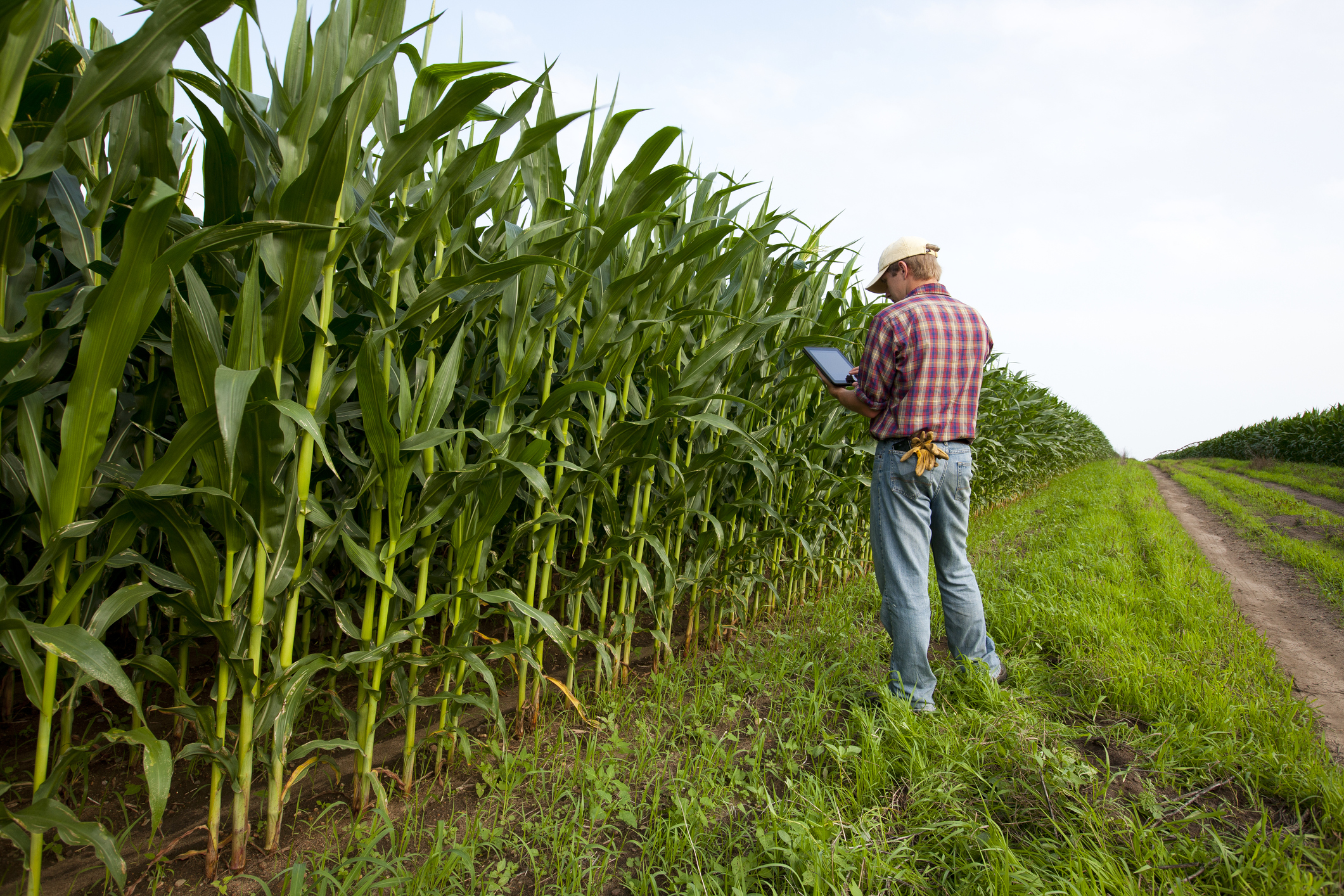
There is trouble in fields that produce much of America’s wheat and corn, as an abnormal pattern of drought and downpours is ruining many crops as they grow and leaving others in danger of rotting where they stand.
Drought conditions in Nebraska were so bad that farmer Ryan Krenk said his cornfield “looked like death,” according to KMUW.
“All I really wanted to do was just go home and not look at it,” Krenk said. “Because it was sickening, just absolutely sickening. I didn’t want the memory.”
Although rain has since arrived in the Midwest, it has served to complicate the crisis by slowing the work of harvesters who face deadlines all summer long but this year are thrown for a loss by disruptions to the delicate timing of crop maturation.
A report in The Wall Street Journal said that in a normal year, 90 percent of the winter wheat in Kansas has been harvested by July 10. This year, that figure is 60 percent. By mid-July, traveling harvesters who are essential to getting a crop from field to barn have largely left