



FCC Chair To ‘Clarify’ Law That Gives Liability Protection To Social Media Companies
Calls to reform a law Section 230 of the Communications Decency Act receiving being amplified after social media companies limited the distribution of an unverified story about Democratic presidential nominee Joe Biden…
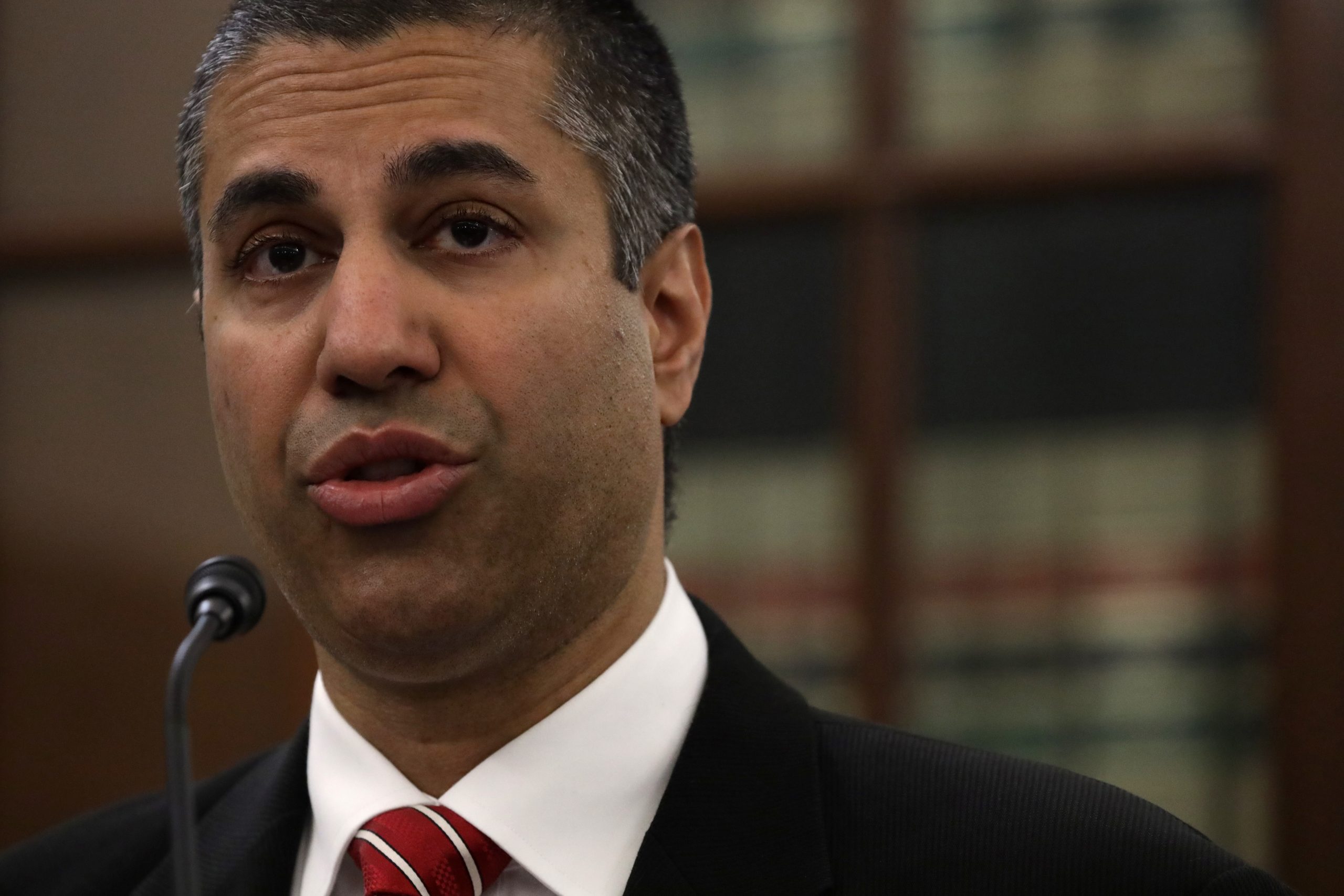
Calls to reform a law Section 230 of the Communications Decency Act receiving being amplified after social media companies limited the distribution of an unverified story about Democratic presidential nominee Joe Biden‘s son.
Section 230 provides internet companies liability protection for content on their platforms.
Federal Communications Commission Chair Aji Pai says that there is bipartisan support to reform that portion of the law. Still, until the provision is reformed, he said he would move to clarify it.
“Members of all three branches of the federal government have expressed serious concerns about the prevailing interpretation of the immunity set forth in Section 230 of the Communication Act,” Pai said.
“There is bipartisan support in Congress to reform the law. The U.S Department of Commerce has petitioned the Commission to ‘clarify ambiguities in section 230,'” he added.
Pai also noted that Supreme Court Justice Clarence Thomas said “courts have relied upon ‘policy and purpose arguments to grant sweeping protections to Internet platforms’ that appear to go far beyond the actual context of the provision.”
He continued to argue that “many advance an overly broad interpretation” of the provision that “shields social media companies from consumer protection laws in a way that has no basis in the text of Section 230.”
“The Commission’s General Counsel has informed me that the FCC has the legal authority to interpret Section 230. Consistent with this advice, I intend to move forward with a rulemaking to clarify its meaning.”
Read the statement below:
“Throughout my tenure at the Federal Communications Commission, I have favored regulatory parity, transparency, and free expression. Social media companies have a First Amendment right to free speech. But they do not have a First Amendment right to a special immunity denied to other media outlets, such as newspapers and broadcasters,” he added.