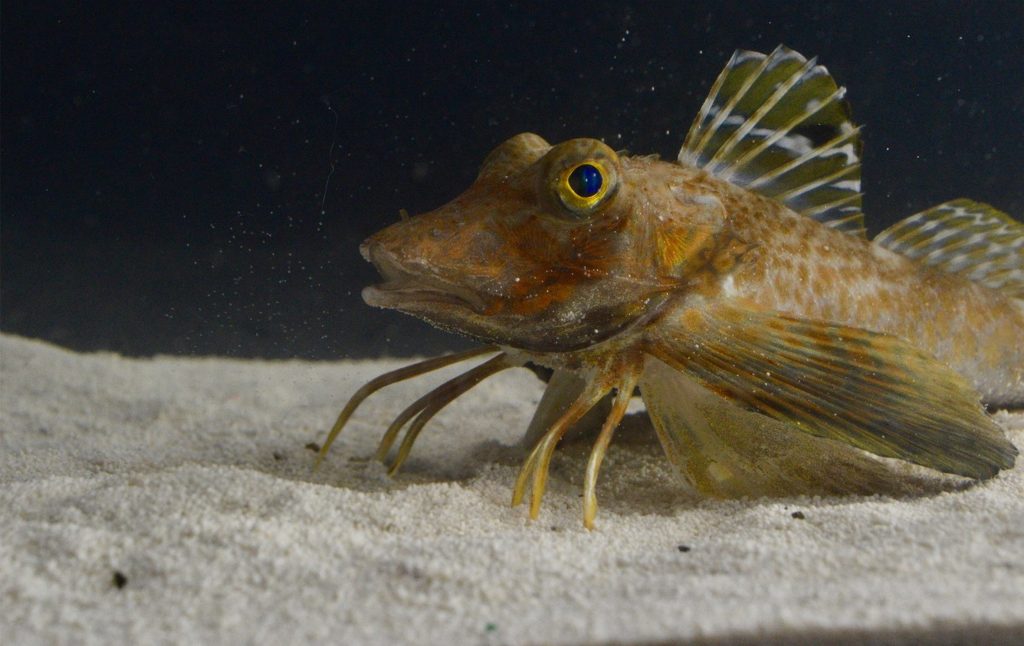



Fish With Legs Uses Them To ‘taste’ Seabed For Prey, New Research Reveals
According to the research, their legs are sensory organs used to detect buried prey—such as mussels and other shellfish—while digging. MIKE JONES VIA SWNS. “> A fish with legs uses them to “taste” the seabed…
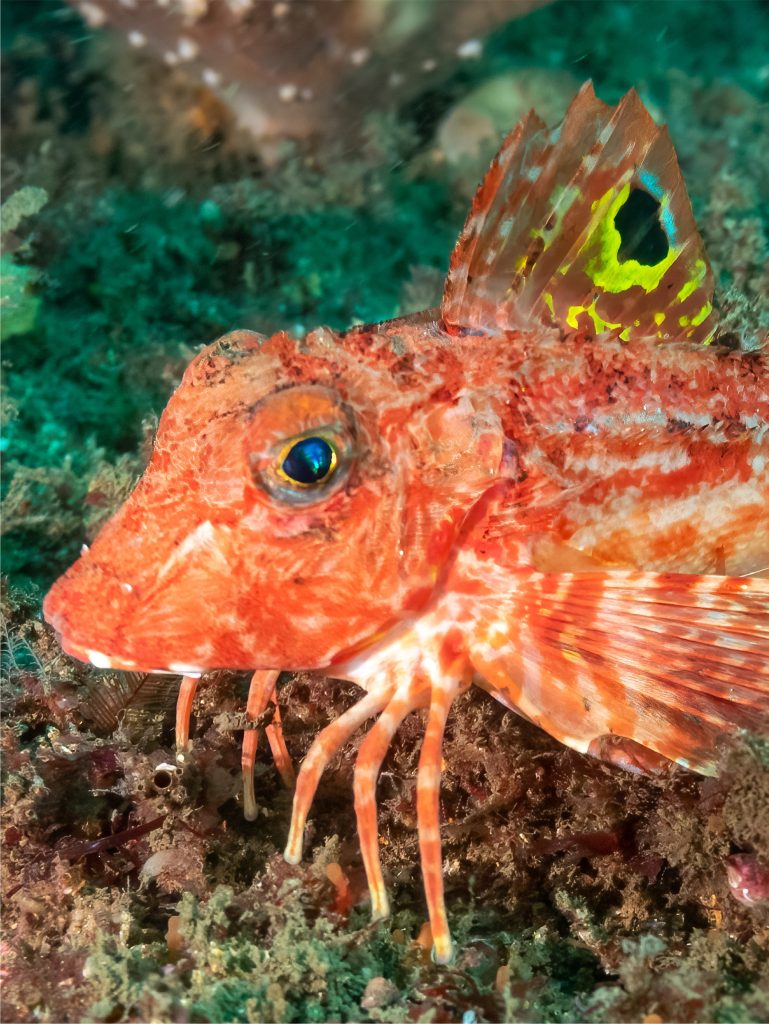

According to the research, their legs are sensory organs used to detect buried prey—such as mussels and other shellfish—while digging. MIKE JONES VIA SWNS.
“>
A fish with legs uses them to “taste” the seabed for prey, reveals new research.
Sea robins have the body of a fish, the wings of a bird, and six legs, similar to a crab.
Two new studies have revealed that the legs aren’t just used for walking on the seafloor.
According to research published in the journal Current Biology, they are sensory organs used to detect buried prey—such as mussels and other shellfish—while digging.
American scientists explained that the legs are actually extensions of their pectoral fins, of which there are three on each side.
Professor Nicholas Bellono of Harvard University said: “This is a fish that grew legs using the same genes that contribute to the development of our limbs and then repurposed these legs to find prey using the same genes our tongues use to taste food – pretty wild.”
Bellono, Professor David Kingsley of Stanford University, and their colleagues didn’t set out to study sea robins.
They came across the unusual species during a trip to the Marine Biological Laboratory in Woods Hole, Massachusetts.
After learning that other fish follow the sea robins, apparently due to their ability to uncover buried prey, the researchers became intrigued and took some sea robins back to the lab to find out more.
They confirmed that the sea robins could indeed detect and uncover ground-up and filtered mussel extract and even single amino acids.
The team found that sea robins’ legs are covered in sensory papillae, each receiving dense innervation from touch-sensitive neurons.