


The law enforcement response to the Uvalde, Texas, school Shooting has been heavily scrutinized.
Community members who arrived on the scene of the Tuesday massacre have questioned the decision not to immediately storm the building.
In response to the TexasShooting, one Florida sheriff is making it clear his deputies wonāt hesitate to act with lethal force to eliminate a deadly threat to innocent students.
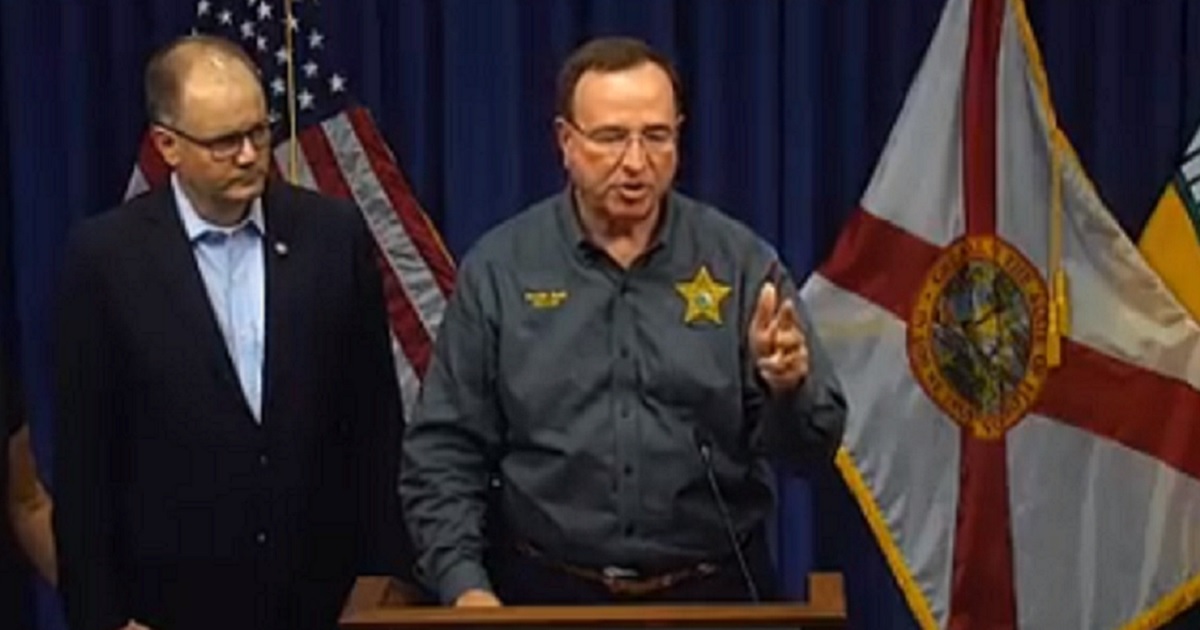
Polk County Sheriff Grady Judd discussed his agencyās policies for responding to an active shooter at a school in a Friday news conference.
āWeāre going to do our best ā¦. to eliminate the threat outside of the school before they ever get to the Children. Weāre trained to do that,ā said Judd.
Judd explained his agencyās policies in more blunt terms, or, as he called it, āPolk County vernacular.ā
He displayed an image of two sheriffās deputies armed with AR-style rifles.
āThis is the last thing you will see before we put a bullet in your head, if you are trying to hurt our Children,ā Judd warned.
āWeāre going to shoot you graveyard dead if you come onto a campus with a gun, threatening our Children or Shooting at us.ā
In Texas, Gov. Greg Abbott revealed he had been āmisledā on the timeline of the Uvalde Shooting, calling for a full Investigation of the law enforcement response and its adherence to standard active shooter procedures.
The shooter lingered outside Robb Elementary School for 12 minutes before entering the building and massacring 22 students and teachers inside.
Eventually, an off-duty Border Patrol agent breached the building in defiance of local law enforcementās wishes. The federal agent shot and killed the gunman inside a classroom.
Judd isnāt the only sheriff in his state pledging that his agency wonāt delay to respond with lethal force to a school Shooting.
Lee County Sheriff Carmine Marceno released a video making his agencyās procedures bluntly clear.
āPresent deadly physical force at one of our schools? Weāre not waiting one second. We are going to kill you.
āBecause you canāt kill evil enough.ā
This article appeared originally on The Western Journal.