



‘Forced To Make A Choice’: RFK Dropped Out, Here’s Why His Voters Might Go For Trump
In the aftermath of Robert F. Kennedy’s withdrawal and subsequent endorsement of former President Donald Trump on Friday, experts told the Daily Caller News Foundation that the Republican nominee will likely gain a…
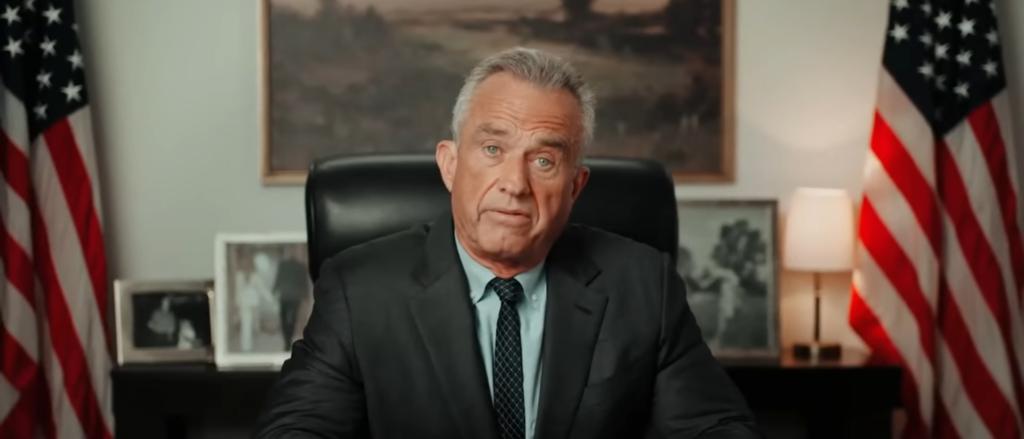

In the aftermath of Robert F. Kennedy’s withdrawal and subsequent endorsement of former President Donald Trump on Friday, experts told the Daily Caller News Foundation that the Republican nominee will likely gain a boost from the independent’s remaining supporters.
After President Joe Biden dropped out of the race in July, a significant share of Kennedy’s support gravitated towards his replacement, Vice President Kamala Harris. But now that Kennedy has dropped out of the race altogether, experts told the DCNF that his remaining share of supporters disaffected by the Democratic Party are likely to go toward the Republican nominee.
“I think what’s left within the RFK constituency is the people who would be more inclined to support former President Trump, in spite of some, perhaps, misgivings about his executive temperament and past behaviors,” Len Foxwell, a Democratic strategist based in Maryland, told the DCNF. “My guess is that those people now, if forced to make a choice, will go and support the former president.”
“There is a real phenomenon of voting as a form of protest,” Democratic strategist Dheeraj Chand told the DCNF. “Like, voting is a statement of what you could call no confidence or contempt. And now you’re seeing that he’s spoiling Trump. It’s not because he has no path to victory. He has seen that he has no path to victory over and over and over again. But what he is seeing is that of the 3% of people who are voting for him, every one of them is second choice-ing Trump.”
Chand told the DCNF that disaffected voters have also turned away from the Democratic Party in previous election cycles, like when some voters who supported Independent Sen. Bernie Sanders’ Democratic presidential primary bids later backed Trump.
“That’s why in 2016, the Sanders-Trump phenomenon was a very real thing, and why in 2020, similarly, the Sanders voter who is susceptible to Trump persuasion was a very real thing,” Chand told the DCNF. “These are not people who necessarily agree on policy, but these are people who felt profoundly alienated and wanted to express that alienation as a protest vote.”