



Factbox: The Foreign Policy Issues That Divide Trump and Biden
Republican President Donald Trump won election in 2016 promising to put “America First,” overturn what he said were unfair trade deals and force U.S. allies to pay more toward joint defense measures. In the Nov. 3…
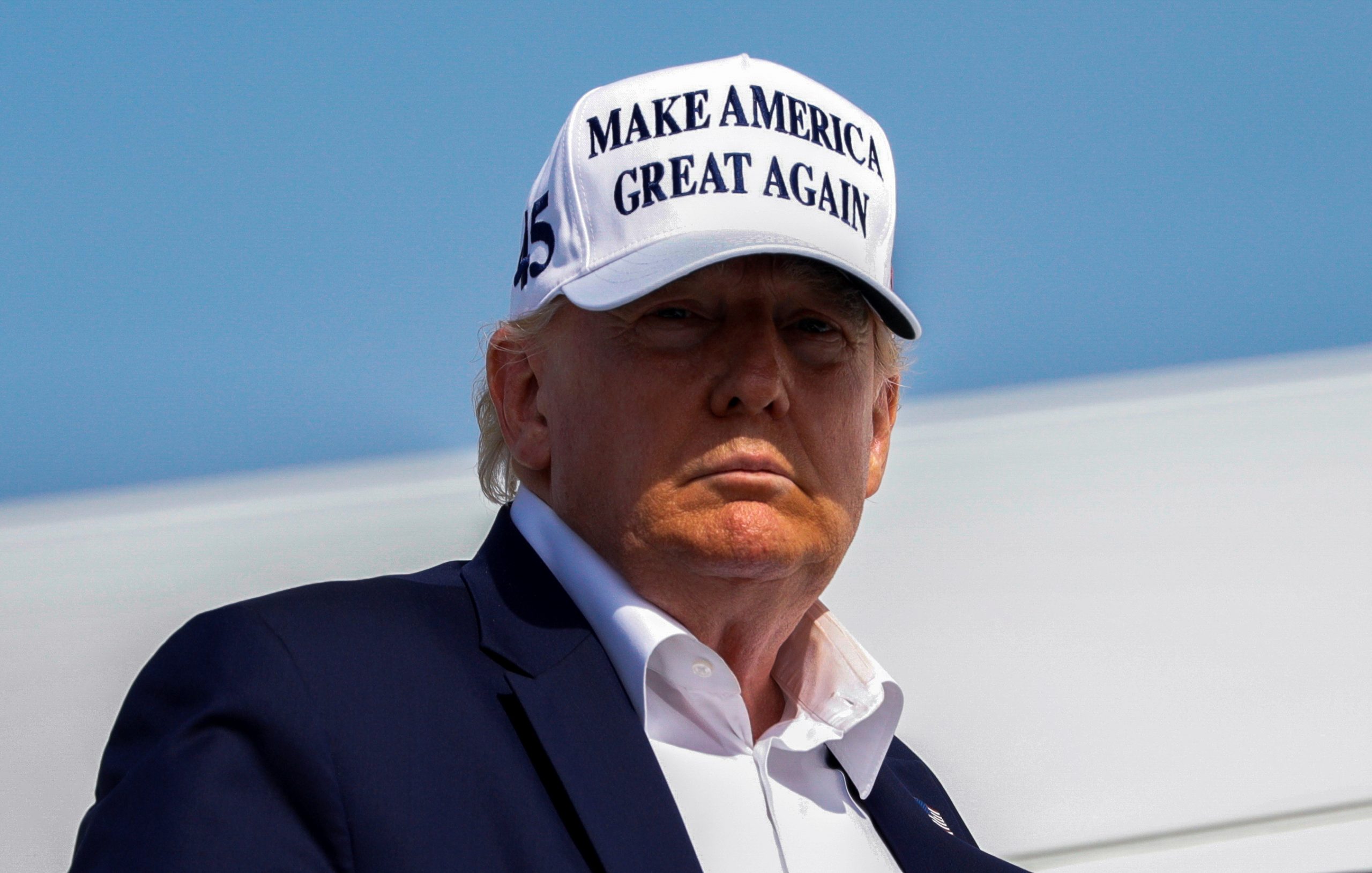
Republican President Donald Trump won election in 2016 promising to put “America First,” overturn what he said were unfair trade deals and force U.S. allies to pay more toward joint defense measures.
In the Nov. 3 election, he will face off against Democratic former Vice President Joe Biden, who pledges to restore U.S. global leadership and reverse many of Trump’s actions.
Here’s a look at their foreign policy differences:
CHINA
Under Trump, U.S.-China relations have slid to their lowest levels in decades over issues ranging from Chinese telecommunications gear maker Huawei, to Beijing’s disputed territorial claims in the South China Sea. Trump says he is the first president in decades to stand up to Beijing, and his campaign accuses Biden of appeasing China as U.S. manufacturing jobs declined.
Biden has countered that Trump’s handling of the coronavirus pandemic was a historic blunder, and that he disregarded warnings from the U.S. intelligence community over China downplaying the severity of the crisis.
Trump entered into a high-stakes trade war with China before reaching a partial Phase 1 trade deal in January. Trump has since shut the door on Phase 2 negotiations, saying he was unhappy with Beijing’s handling of the pandemic.
In July, Trump issued an executive order to end the United States’ special commercial treatment of Hong Kong after Beijing imposed national security legislation on the former British colony, and his administration abruptly told China to close its Houston consulate amid accusations of spying.
Biden argues that China relishes a chaotic Trump administration, his alienation of American allies, and his abdication of U.S. leadership roles in global institutions, such as the World Health Organization.