



Former MSNBC Host Claim About Christmas Song Is Hotly Debated
A new round of debate over holiday traditions kicked off this week after former MSNBC host Joy Reid shared a video online that accuses the classic Christmas song “Jingle Bells” of having racist origins. The video, which…
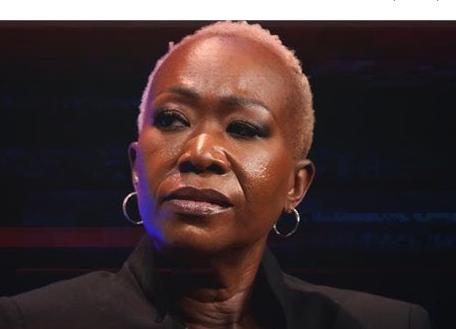
A new round of debate over holiday traditions kicked off this week after former MSNBC host Joy Reid shared a video online that accuses the classic Christmas song “Jingle Bells” of having racist origins. The video, which quickly went viral, reignited interest in a years-old academic paper but has also drawn criticism for how that research is being interpreted.
In the video, a man wearing a red holiday sweater stands in front of a historical plaque in Medford, Massachusetts. The plaque marks the site where James Lord Pierpont is believed to have written the song in the 1800s. The video claims the tune’s early performances were done by White actors in blackface and used to “mock” Black Americans, according to captions and narration in the clip.
“This is where a racist Confederate soldier wrote ‘Jingle Bells’ to make fun of Black people,” the opening caption reads. It goes on to allege that the original version of the song, called “The One Horse Open Sleigh,” was written by Pierpont for minstrel shows that featured exaggerated portrayals of African Americans. The video also points out that Pierpont later fought for the Confederate Army during the Civil War.
Joy Reid, who hosted The ReidOut on MSNBC until it was canceled earlier this year, reposted the video to her Instagram account, where she has over 1.3 million followers. Her only caption was, “Lord have mercy.”
The video references a 2017 research paper published by Cambridge University Press titled The Story I Must Tell: ‘Jingle Bells’ in the Minstrel Repertoire by Boston University scholar Kyna Hamill. The paper does explore the song’s performance history in 19th-century minstrel shows, which were often racially offensive. However, Hamill has since said her work is being taken out of context.
In an earlier interview with the Boston Herald, Hamill stated, “I never said it was racist now,” and explained that she never intended for her work to be used to cancel the carol or influence how people celebrate the holidays. Her main focus was on where the song came from and how it was used in performance at the time.
“The legacy of ‘Jingle Bells’ is, as we shall see, a prime example of a common misreading of much popular music from the nineteenth century,” Hamill wrote in her paper. She also noted that elements of the song’s original performances—including use in blackface minstrel acts—have often been left out of modern accounts.