Former Obama Economist: Fed’s ‘Momentous Errors’ Are Steering Us Toward ‘Major Recession’
The same expert who warned last year that President Joe Biden’s big spending would trigger “ inflationary pressures of a kind we have not seen in a generation” is back with a dire warning that America is being steered…
The same expert who warned last year that President 👤Joe Biden’s big spending would trigger “inflationary pressures of a kind we have not seen in a generation” is back with a dire warning that America is being steered into a recession.
Lawrence Summers, an economist who advised former President Barack Obama, issued his warning in an Op-Ed published Tuesday in the Washington Post.
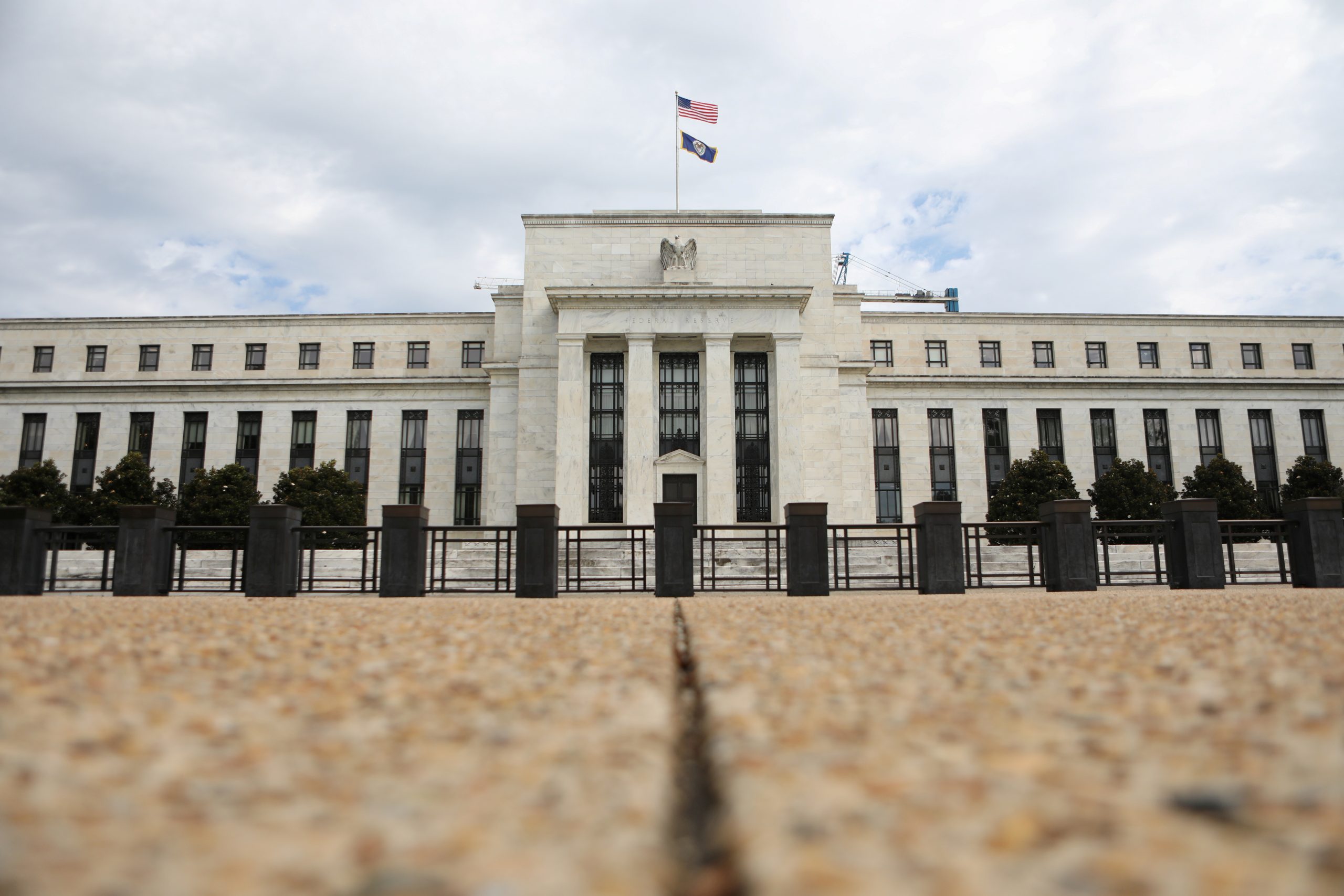
Summers said that although the 🏦Federal Reserve is hoping to rein in inflation, which is at levels not seen since 1982, he has his doubts.
“Anything is possible, and wishful thinking can sometimes prove self-fulfilling. But I believe the Fed has not internalized the magnitude of its errors over the past year, is operating with an inappropriate and dangerous framework and needs to take far stronger action to support price stability than appears likely,” he wrote.
“The Fed’s current policy trajectory is likely to lead to stagflation, with average unemployment and inflation both averaging over 5 percent over the next few years — and ultimately to a major recession,” he said.
Sponsored
Sponsored
Summers noted what he called “rather momentous errors” by the
🏦Federal Reserve
, including its parroting of the Biden administration’s line for much of last year that inflation would be
as a side effect of the reopening of the economy once the worst of the pandemic appeared over.
“So there is little basis for confidence in the Fed’s assessment of inflation risks,” he wrote.
Summers said the future looks dark.
“We now face major new inflation pressures from higher energy prices, sharp run-ups in grain prices due to the Ukraine war and potentially many more supply-chain interruptions as COVID-19 forces lockdowns in China,” he wrote.
“It would not be surprising if these factors added three percentage points to inflation in 2022. And with price increases outstripping wage increases, a wage-price spiral is a major risk,” he wrote.
Summers excoriated policy-makers for ever believing high inflation could be ended quickly, writing that, “Essentially, officials switched from the Fed’s traditional ‘removing the punch bowl before the party gets good’ to an approach of ‘the punch bowl makes people happy. We will remove it only when we see people keeling over drunk.’”
Summers noted there is a price to pay for reining in inflation, writing, “there can be no reliable progress against inflation without substantial increases in real interest rates, which mean temporary increases in unemployment. Real short-term interest rates are currently lower than at any point in decades. They likely will have to reach levels of at least 2 or 3 percent for inflation to be brought under control. With inflation running above 3 percent, this means rates of 5 percent or more — something markets currently regard as almost unimaginable.”
But underlying it all is “establishing credibility,” he wrote.
“Recognizing failed strategies, and then abandoning them, is the first step. I hope the Fed will make clear that inflation reduction is its principle objective, and that it will wind down efforts to promote worthy but nonmonetary goals such as social justice and environmental protection,” he wrote.
“To avoid stagflation and the associated loss of public confidence in our country now, the Fed has to do more than merely to adjust its policy dials — it will have to head in a dramatically different direction,” Summers concluded.