



George Floyd’s Brother Tells US Congress: ‘He Didn’t Deserve to Die Over $20’
A U.S. congressional panel confronting racial injustice and police violence on Wednesday heard an impassioned plea from a brother of George Floyd not to let his death in Minneapolis police custody to have been in vain…
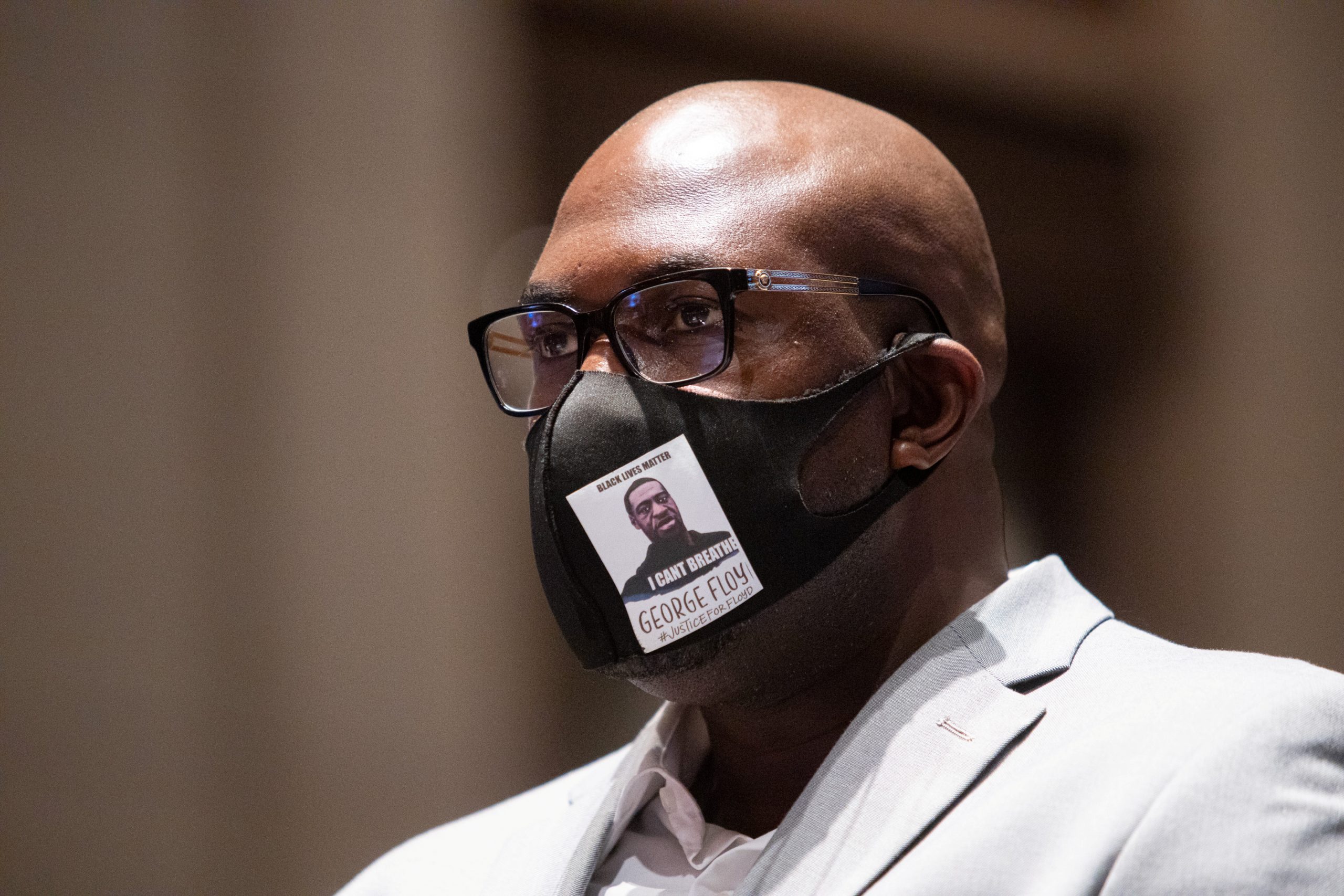
A U.S. congressional panel confronting racial injustice and police violence on Wednesday heard an impassioned plea from a brother of George Floyd not to let his death in Minneapolis police custody to have been in vain, lamenting that he “didn’t deserve to die over $20.”
More than two weeks after George Floyd died when a Minneapolis police knelt on his neck for nearly nine minutes, the U.S. House of Representatives Judiciary Committee held its first formal proceedings to examine issues underlying weeks of U.S. civil unrest as it consider sweeping reform legislation.
Floyd, a Houston native who had worked security at nightclubs, was unarmed when taken into custody outside a corner market where an employee had reported that a man matching his description tried to pay for cigarettes with a counterfeit bill.
“George wasn’t hurting anyone that day. He didn’t deserve to die over $20. I’m asking you, is that what a black man’s worth? $20? This is 2020. Enough is enough,” Philonise Floyd, 42, of Missouri City, Texas, near Houston, told the lawmakers. “It is on you to make sure his death is not in vain.”
He buried his brother on Tuesday and broke down at the witness table while describing how they had not been able to say goodbye.
“I’m here to ask you to make it stop. Stop the pain,” Floyd testified. “George called for help and he was ignored. Please listen to the call I’m making to you now, to the calls of our family and the calls ringing on the streets of all the world.”
The emotionally charged hearing had lawmakers and witnesses expressing sorrow over Floyd’s May 25 death, the latest in a long string of killings of African-American men and women by police that have sparked anger on America’s streets and fresh calls for reforms.