



“Germany Struggles To Find Reliable Alternatives To Fossil Fuels” – Former Top EU Energy Policy Official
Furfari said that Donald Trump is right on some points, but he is exaggerating, adding that Germany is struggling with its energy transition.CARBONBRIEF. “> In an interview with Atlantico, Professor Em. Samuel Furfari…
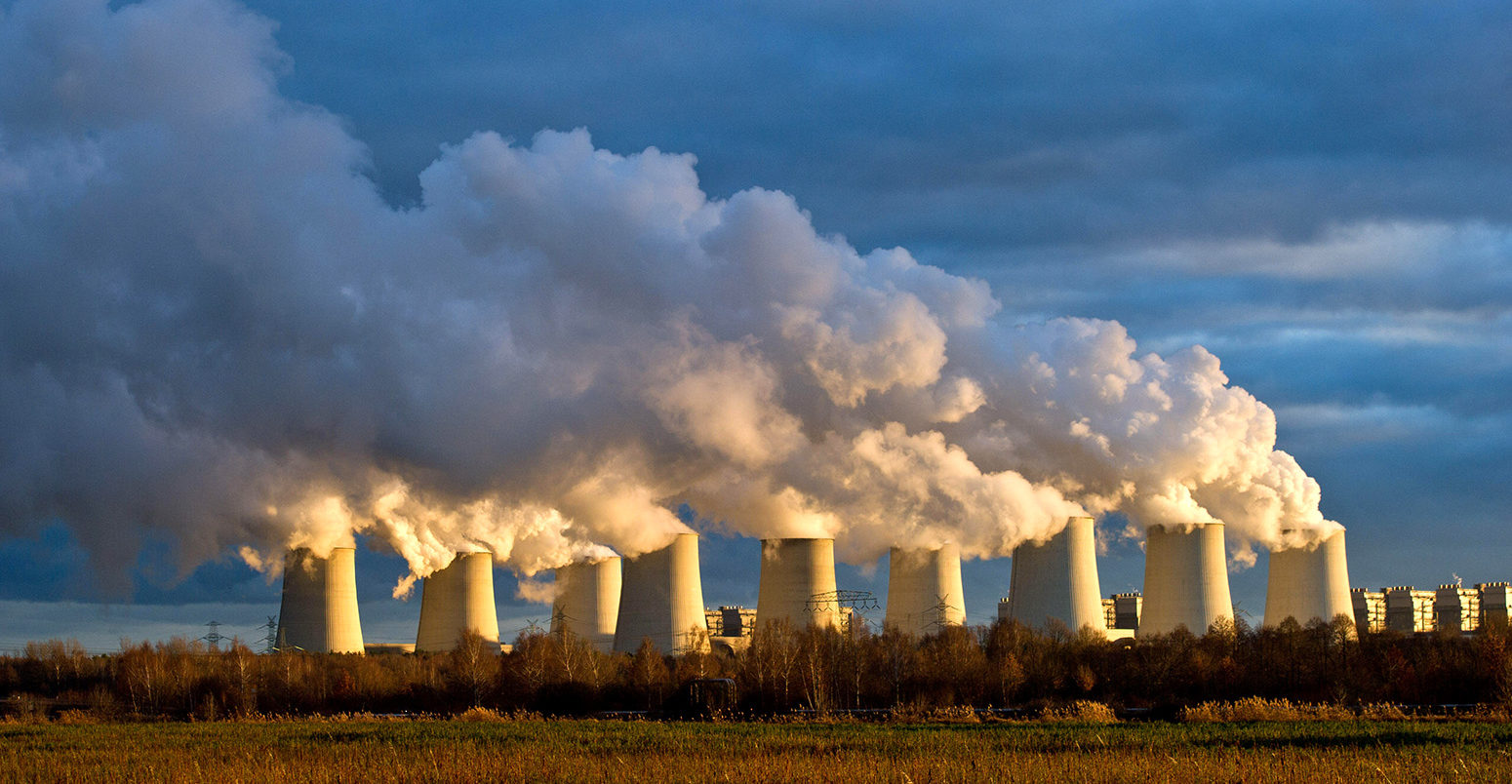

Furfari said that Donald Trump is right on some points, but he is exaggerating, adding that Germany is struggling with its energy transition.CARBONBRIEF.
“>
In an interview with Atlantico, Professor Em. Samuel Furfari, a Chemical Engineer and former senior official at the Energy Directorate-General of the European Commission discussed Europe’s energy crisis and related policies. The interview addresses a statement made by former US President Donald Trump during a presidential debate, where he claimed that Germany had ‘failed’ in its energy transition and had reverted to traditional energy sources like coal. This claim was refuted by the German Foreign Ministry. The interview explores the accuracy of Trump’s statement and provides insight into the state of Europe’s energy transition.
Furfari said that Donald Trump is right on some points, but he is exaggerating. Germany is indeed struggling with its energy transition, commonly known as the ‘EnergieWende’. Although the country has reduced its dependence on fossil fuels, it has not completely eliminated the use of coal. Some coal-fired power stations remain in operation to guarantee a stable supply when wind or sun is not enough. However, Trump is wrong to say that Germany has returned to coal on a massive scale or that it has reopened new power stations. The country has not built any new coal-fired power stations but continues to import coal to power the existing ones. Perhaps the former US President is confusing coal-fired power stations with the new gas-fired power stations that Germany is planning to build to compensate for the closure of its nuclear power stations.
Germany is going through a critical period in its energy transition. Because it is ambitious, the EnergieWende is encountering major obstacles. Wind power, on which Germany was relying so heavily, produces electricity only 23% of the time on average, which makes it difficult to be totally dependent on this source. The report by the Federal Audit Office in March 2024 highlights the enormous costs of the transition and the inability to find reliable solutions to replace fossil fuels; it should be noted that this is not to propose a review of ambition but to criticize the government for not doing enough, which demonstrates if proof were needed that the ‘Germany system’ is convinced of the merits of the EnergieWende. Yet Germany will probably not achieve its 2030 targets, in particular the 80% target for renewable energy in electricity. At present, it is at around 50%, but the challenges ahead are considerable. Increased use of natural gas seems inevitable to stabilize the electricity grid, but this runs counter to the country’s climate commitments.