



Gov. Zohran Mamdani Proposes New Minimum Wage
A proposal now gaining traction in the City Council would hike the minimum wage to as high as $30 an hour, a dramatic leap from the current $17. The plan, introduced by Council Member Sandy Nurse, would require large…
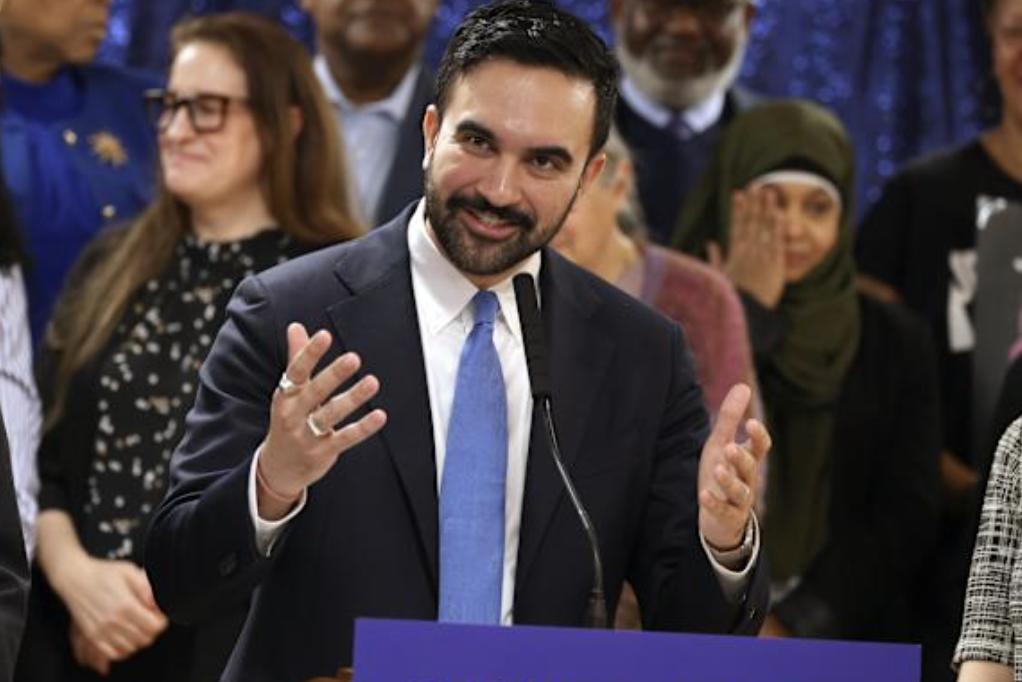
A proposal now gaining traction in the City Council would hike the minimum wage to as high as $30 an hour, a dramatic leap from the current $17. The plan, introduced by Council Member Sandy Nurse, would require large employers to pay $25 per hour if they offer benefits and $30 if they don’t, with a phased rollout targeting full implementation by 2030 for major companies and 2032 for smaller ones.
Newly elected Mayor Zohran Mamdani has already signaled support, having campaigned on a bold “$30 by ’30” promise. His message was simple and politically potent: in the richest city in the world, full-time work should not equal poverty. But as the proposal inches closer to reality, critics are sounding the alarm—and they’re not mincing words.
Economists and business leaders warn that the plan could trigger a cascade of unintended consequences, hitting the very workers it aims to help. Santiago Vidal Calvo of the Manhattan Institute laid out the core concern: higher wages don’t exist in a vacuum. When labor costs surge, businesses respond—often by raising prices, cutting jobs, or both.
That raises a blunt question: if workers earn more but pay more for everything, is anything actually gained?
Calvo argues the answer is no, pointing to basic economic principles that suggest aggressive wage hikes can distort markets. He warned that the proposal could push New York’s wage structure far beyond widely accepted benchmarks, calling it a “huge economic blunder” based on the Kaitz index, a key metric used to evaluate minimum wage levels relative to median income.
The business community is already bracing for impact. Reports indicate that some employers fear they’ll be forced to shrink their workforce just to survive. Industries with tight margins—like food service, retail, and even healthcare—could be hit hardest. Younger and entry-level workers may find themselves squeezed out entirely as companies look to cut costs or automate roles.
There’s also precedent fueling the fire. In Los Angeles, a recent move toward a $30 minimum wage in the hotel sector has reportedly led to job cuts, offering a glimpse of what critics say could unfold in New York on a much larger scale.