



Government Report Names Top 5 Misdiagnosed Conditions in Emergency Rooms
A government report revealed the top five conditions that are misdiagnosed in American emergency rooms. The report was published on Thursday by the U.S. Department of Health and Human Services’ Agency for Healthcare…
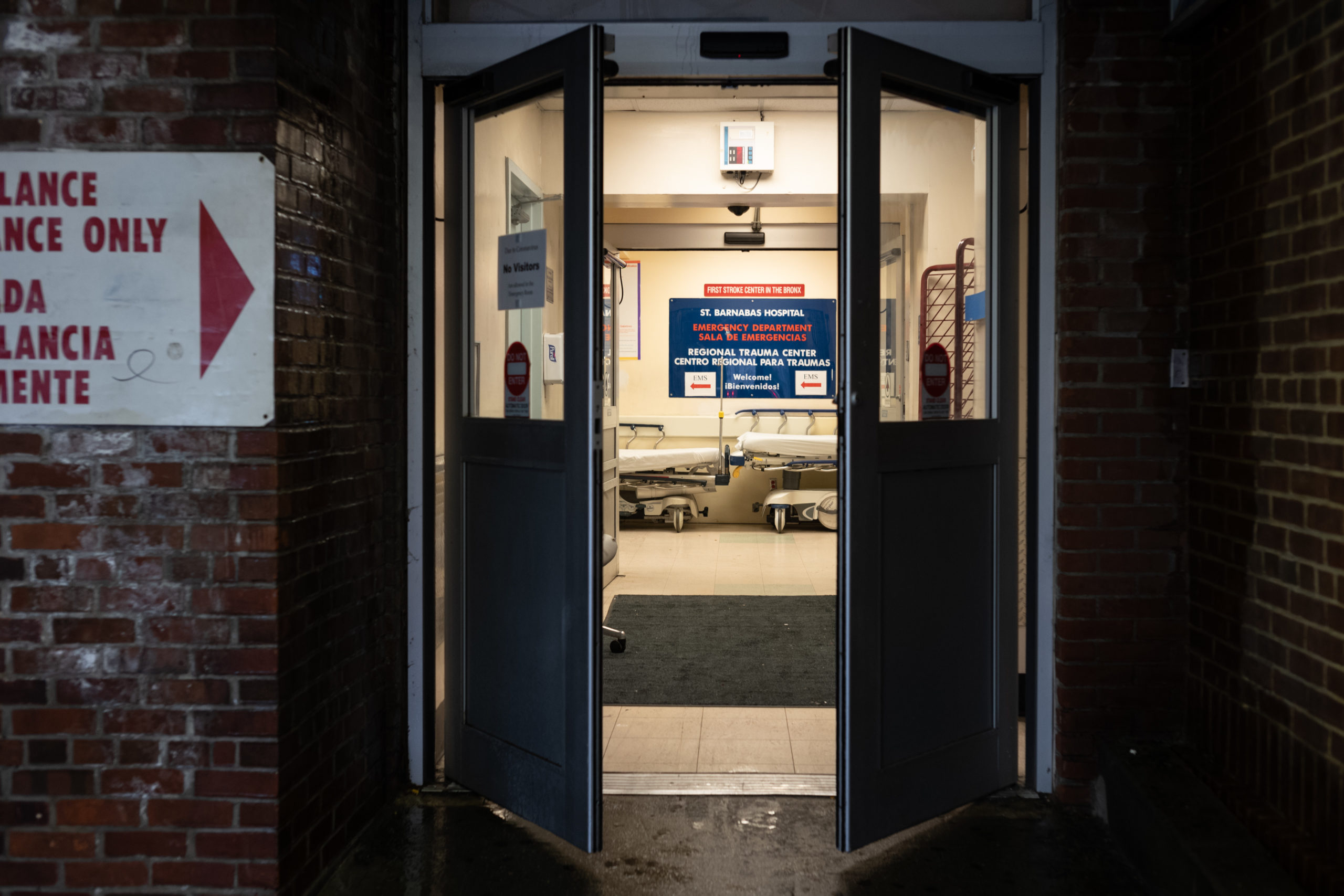
A government report revealed the top five conditions that are misdiagnosed in American emergency rooms.
The report was published on Thursday by the U.S. Department of Health and Human Services’ Agency for Healthcare Research and Quality.
The top five misdiagnosed conditions are: Stroke, myocardial infarction, aortic aneurysm/dissection,
spinal cord compression/injury, and venous thromboembolism.
According to the report, the conditions account for 39% of “serious misdiagnosis-related harms.”
Strokes are reportedly missed roughly 17% of the time.
“For a given disease, nonspecific or atypical symptoms increase the likelihood of error. For stroke, dizziness or vertigo increases the odds of misdiagnosis 14-fold over motor symptoms (those with dizziness and vertigo are missed initially 40% of the time),” the report explained.
It is estimated that “among 130 million emergency department (ED) visits per year in the United States that 7.4 million (5.7%) patients are misdiagnosed, 2.6 million (2.0%) suffer an adverse event as a result, and about 370,000 (0.3%) suffer serious harms from diagnostic error.”
The report continued, “Put in terms of an average ED with 25,000 visits annually and average diagnostic performance, each year this would be over 1,400 diagnostic errors, 500 diagnostic adverse events, and 75 serious harms, including 50 deaths per ED.”
The Johns Hopkins University Evidence-Based Practice Center prepared the study.
Dr. Christopher S. Kang, the president of the American College of Emergency Physicians, issued a statement, criticizing the study, The New York Times reported.