



GREGORY WRIGHTSTONE: Refrigerants Are No Global Warming Threat
A federal rule mandating the use of certain refrigerants has substantially boosted the price of air conditioning and increased the risk of fire – only to reduce global temperature by an amount too small to measure…
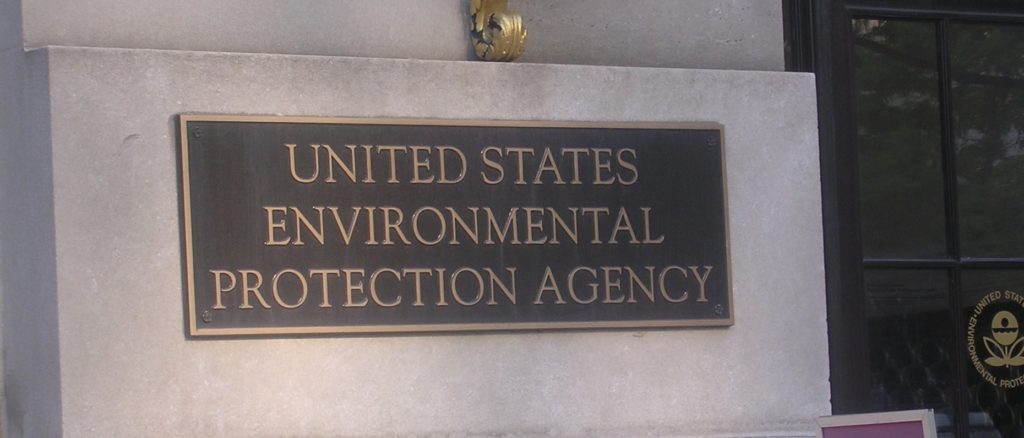

A federal rule mandating the use of certain refrigerants has substantially boosted the price of air conditioning and increased the risk of fire – only to reduce global temperature by an amount too small to measure.
Imposed by the Biden administration’s Environmental Protection Agency (EPA), beginning this year, the rule forced the replacement of a hydrofluorocarbon refrigerant known as R-410A with others that are less potent as greenhouse gases, which climate alarmists falsely claim will overheat Earth.
However, a new report by the CO2 Coalition, Fairfax, Va., calculated the atmospheric warming from continued use of R-410A to be “0.044 degrees Celsius in 100 years, which is … absurdly small” and too little to be measured or felt. The amount of warming averted by replacing the refrigerant with other greenhouse-gas hydrofluorocarbons was calculated to be an infinitesimal 0.03 degrees Celsius, according to the report titled “Chill Out: AC Refrigerants Cause Negligible Warming.”
Widely used in heating, ventilation and air conditioning systems since 2010, R-410A was considered an economical, nonflammable refrigerant that posed less of a threat to damaging Earth’s ozone layer than hydrofluorocarbons it had replaced – itself a concern advanced by alarmists with dubious scientific support.
It turns out that the chemicals replacing R-410A are more expensive and flammable, raising issues of both cost and safety. Writing in the Wall Street Journal, Ben Lieberman of the Competitive Enterprise Institute quotes an industry source:
“This (Biden administration) mandate has increased costs by $1,500 per system on average,” says Martin Hoover, president of Atlanta-based Empire Heating & Air Conditioning. Mr. Hoover says the higher price is due to both increased equipment prices – systems had to be redesigned for the new refrigerants – and higher labor costs, since these refrigerants are more flammable and require additional precautions during installation. To make matters worse, an EPA-compliant green refrigerant that many equipment makers use … is in short supply, and prices have risen substantially.”