



Hamas Floats New Path on Weapons as Ceasefire Talks Enter Critical Stage
Negotiators edging toward the next phase of a fragile truce between Israel and Hamas are confronting one of the most difficult questions in the entire agreement: what happens to Hamas’ weapons. According to The…
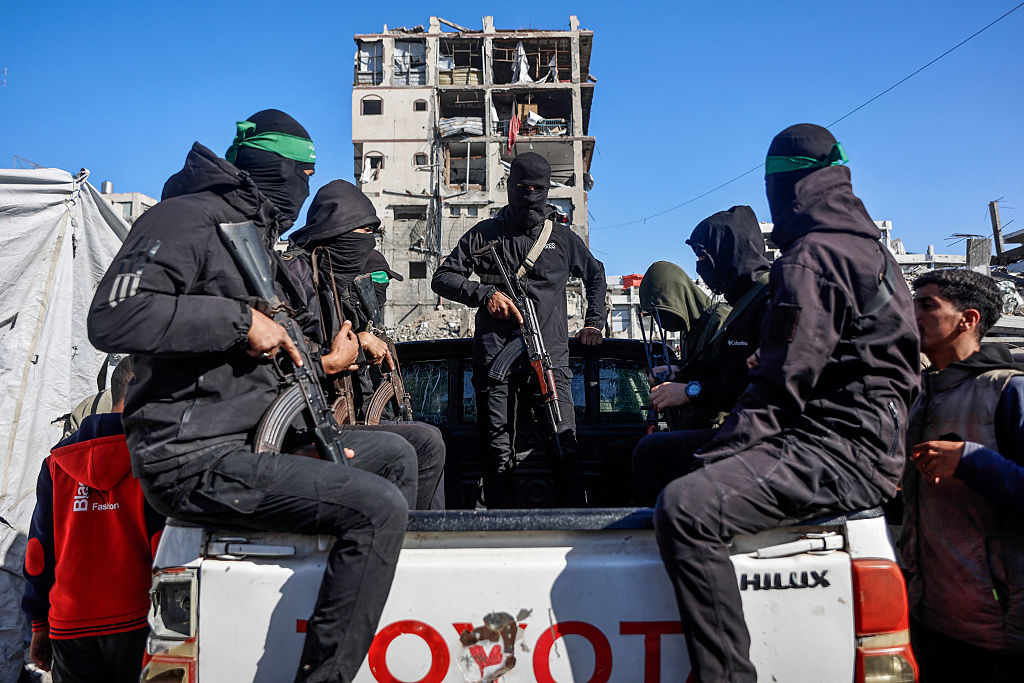
Negotiators edging toward the next phase of a fragile truce between Israel and Hamas are confronting one of the most difficult questions in the entire agreement: what happens to Hamas’ Weapons.
According to The Associated Press, in a rare public glimpse into the group’s thinking, a senior Hamas official suggested the organization might consider freezing or storing its arsenal rather than surrendering it outright.
Bassem Naim, a member of Hamas’ political bureau, spoke Sunday in Doha as discussions moved toward the second stage of a U.S.-brokered plan meant to stabilize Gaza and prevent a return to full-scale war.
“We are open to have a comprehensive approach in order to avoid further escalations or in order to avoid any further clashes or explosions,” Naim said.
The October truce halted a two-year Israeli offensive that began after Hamas’ Oct. 7, 2023 attack. Since then, the two sides have exchanged hostages and prisoners, leaving only the remains of one Israeli hostage still held in Gaza.
With the first phase nearly complete, attention has shifted to the broader political and security framework for Gaza — including troop withdrawals, governance structures, and, most prominently, disarmament.
Israel