



Here Are The Results Of The WNBA’s Emergency League Meeting
The WNBA appears increasingly reluctant to give a direct answer to one of the most basic questions a women’s professional sports league can face: Who is eligible to play? That question has become harder to ignore after former NBA players publicly raised the possibility of entering a future WNBA draft. Their announcements immediately pushed the […]
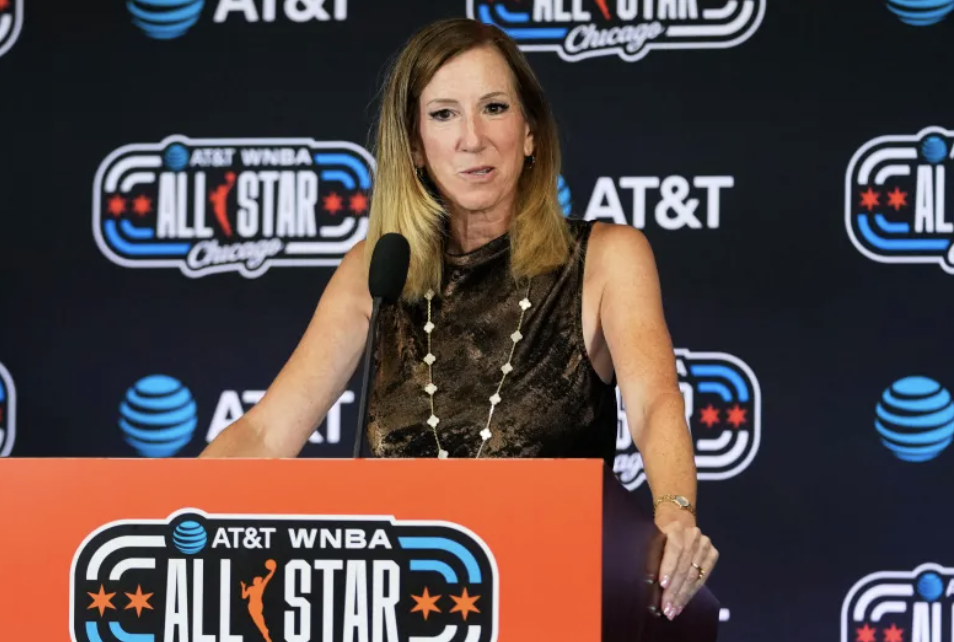
The WNBA appears increasingly reluctant to give a direct answer to one of the most basic questions a women’s professional sports league can face: Who is eligible to play?
That question has become harder to ignore after former NBA players publicly raised the possibility of entering a future WNBA draft. Their announcements immediately pushed the league into a debate over transgender eligibility, competitive fairness and the definition of a women’s league.
WNBA Commissioner Cathy Engelbert acknowledged the issue in an internal memo last week. She noted that players and league officials had been receiving questions about transgender participation in women’s basketball and said the subject would be discussed by a task force of team presidents and general managers.
That sounded like the beginning of an effort to produce a clear policy.
What came afterward was considerably less clear.
Following the meeting, a league representative said discussions had covered a variety of subjects, including transgender athletes and what the WNBA described as hate and vitriol directed toward players online. The league said it would continue consulting with stakeholders and approach the issue in a way consistent with its values.
That is standard institutional language, but it did little to answer the question that prompted the discussion in the first place.
More strikingly, the WNBA stated that there were no immediate eligibility matters affecting the league and condemned what it called “bad-faith efforts” to use the issue to demean or marginalize others.
That response creates an obvious tension.
If there is no meaningful eligibility issue facing the WNBA, why did Engelbert tell league officials that transgender participation was receiving significant attention? Why was a task force discussing it? Why has the subject become a public controversy involving players, media figures and former professional basketball players?
Those are reasonable questions, regardless of where anyone stands politically.