



HILLARY BRIGHT AND HEATHER REAMS: Trump Should Embrace Offshore Wind
Editor’s note: Big Tent Ideas always aims to provide balancing perspectives on the hottest issues of the day. Below is a column from Hillary Bright and Heather Reams, where they argue that support for wind energy is…

Editor’s note: Big Tent Ideas always aims to provide balancing perspectives on the hottest issues of the day. Below is a column from Hillary Bright and Heather Reams, where they argue that support for wind energy is actually consistent with President Trump’s energy strategy, and that progressives merely used the industry for their own purposes. You can find a counterpoint here, from Steve Milloy, where he argues that wind is hopelessly useless as an energy source and the wind industry doesn’t actually believe in “all of the above” energy.
The Trump Administration has established an ambitious energy strategy to increase domestic production, sharpen our competitive edge and strengthen U.S. industries that rely on affordable fuel and power. A host of proven energy sources have been enlisted to reach these goals. To truly realize an all-of-the-above energy dominance approach, the Administration should utilize all resources and technologies available, where and when they make sense. As demand for electricity soars, we need every electron we can produce to meet demand and keep energy affordable.
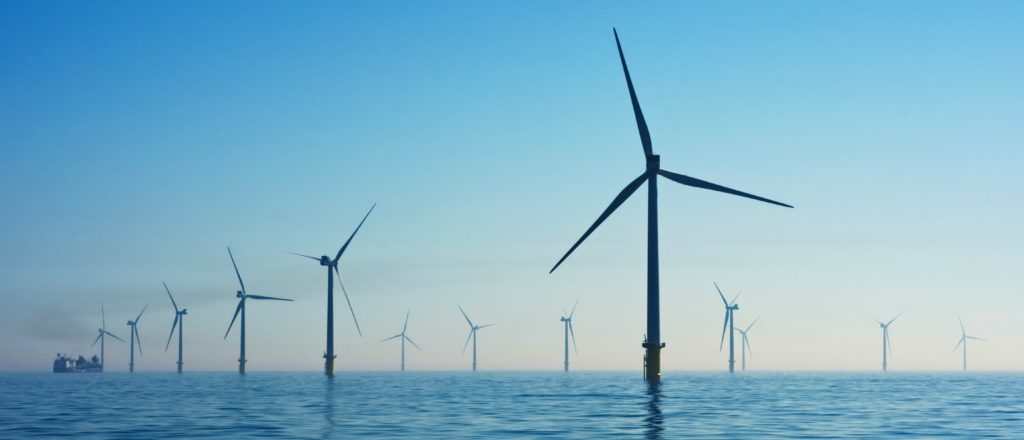
Offshore wind is an incredibly potent energy resource, generating tremendous power from the steady ocean breeze. That power comes year-round, with peak output strongest in the mornings and evenings just as household electricity use surges. Offshore wind’s energy benefits are matched by economic benefits, providing a lifeline for skilled workers in shipbuilding, steel production, fabrication and engineering—including six-figure jobs that don’t require four-year degrees.
It shouldn’t be surprising that offshore wind enjoys support from a majority of Americans. Recent polling by the GOP firm Terrance Group found that nearly two-thirds of voters in 12 coastal states—blue, purple and red alike—favor offshore wind projects both in U.S. waters and off their own coasts. This support is critical, with several states—including Texas, Louisiana and Virginia—poised to take advantage of the industry’s many opportunities.