




US House Begins Debate on $900 Billion Coronavirus Package as Funding Deadline Looms
The U.S. House of Representatives on Monday began debate on a $900 billion coronavirus aid package meant to stimulate a pandemic-hit economy, which the leaders of both chambers of Congress aimed to pass in a marathon…
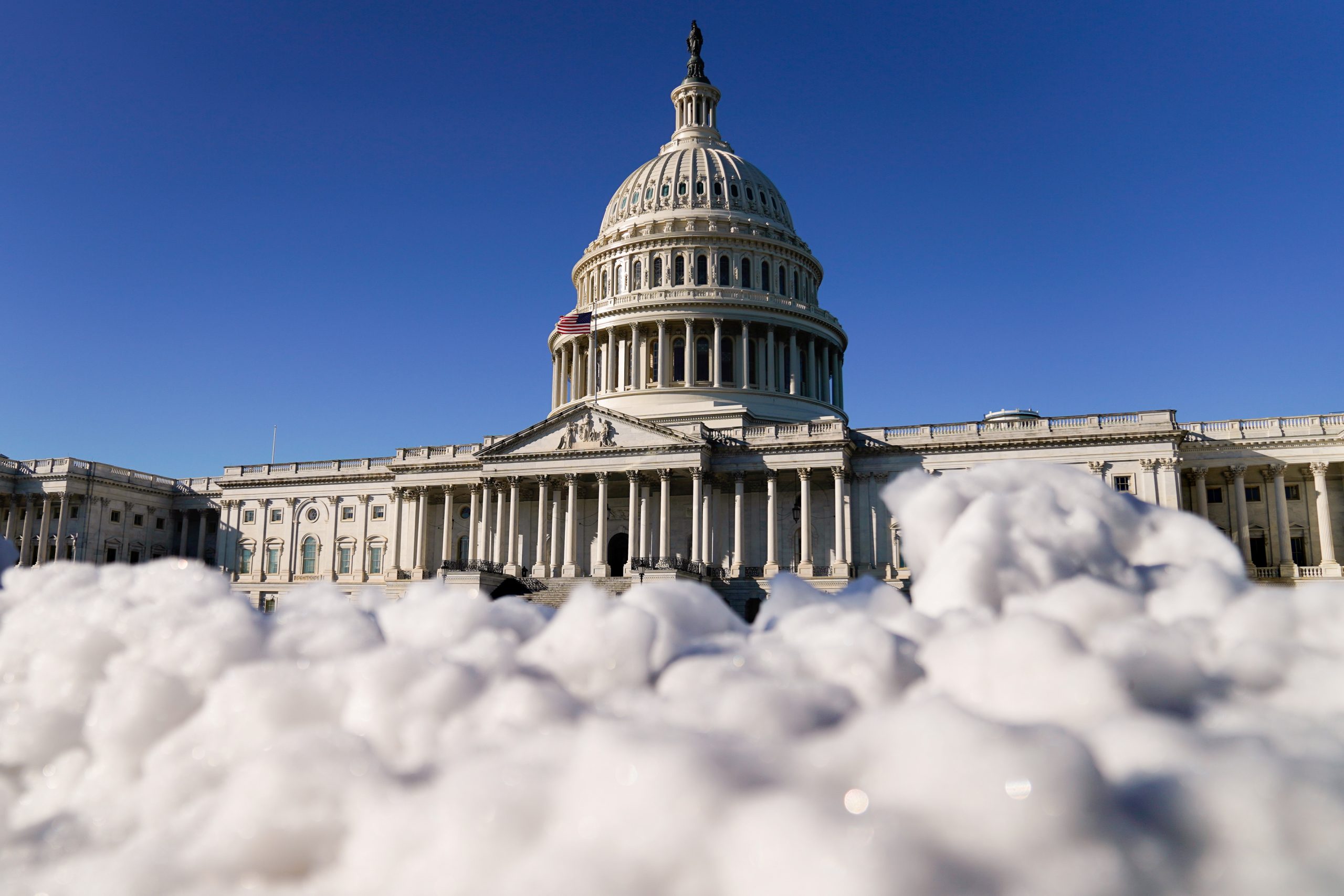
The U.S. House of Representatives on Monday began debate on a $900 billion coronavirus aid package meant to stimulate a pandemic-hit economy, which the leaders of both chambers of Congress aimed to pass in a marathon session.
The White House-backed bill includes $600 payments to most Americans as well as additional payments to the millions of people thrown out of work during the COVID-19 pandemic, just as a larger round of benefits is due to expire on Saturday.
The House of Representatives is expected to vote sometime Monday evening.
Senate Majority Leader Mitch McConnell told reporters at the Capitol that passage of the legislation in the Senate will “probably be late but we’re going to finish tonight.”
At 5,593 pages, the wide-ranging bill that also spends $1.4 trillion on an array of federal programs through next September, is likely to be the final major piece of legislation for the 116th Congress that expires on Jan. 3.
It has a net cost of roughly $350 billion for coronavirus relief, McConnell said, adding that more than $500 billion in funding comes from unspent money Congress had authorized.
The stimulus package, the first Congress-approved aid since April, comes as the pandemic is accelerating in the United States, infecting more than 214,000 people every day and slowing the economic recovery. More than 317,000 Americans have died.
The legislation also expands a small-business lending program by about $284 billion and steers money to schools, airlines, transit systems and vaccine distribution.
The small business loan and grant program, known as the Paycheck Protection Program, would exclude publicly traded companies from eligibility.
Amid reports that the Trump Organization received past aid, the bill contains disclosure requirements for the president, vice president, heads of Cabinet departments, lawmakers and spouses and prohibits those individuals from receiving loans in the future.