



House Rejects Bipartisan Attempt To Block Trump From Using Military Force Against Venezuela
The House of Representatives rejected a bipartisan attempt Wednesday evening to reign in President Donald Trump’s authority to use force against Venezuela. Lawmakers voted 211 to 213 against a war powers resolution that…
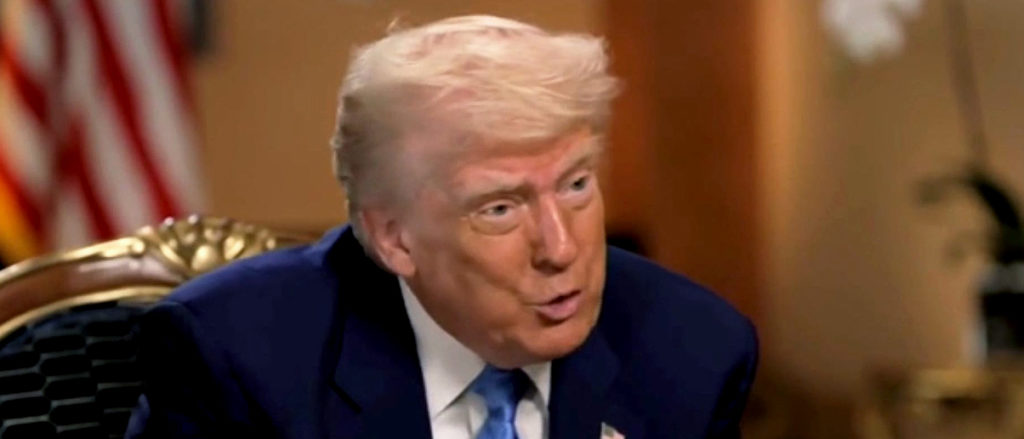

The House of Representatives rejected a bipartisan attempt Wednesday evening to reign in President Donald Trump’s authority to use force against Venezuela.
Lawmakers voted 211 to 213 against a war powers resolution that would have blocked Trump from using military force against Venezuela absent congressional authorization. The failed vote comes a day after Trump designated the Maduro regime as a foreign-terrorist organization and ordered a “total and complete blockade” of all sanctioned oil tankers entering and exiting Venezuela.
Under U.S. law, Congress can restrict the president from using military force against a country or entity without the legislative branch’s explicit approval.
The resolution, sponsored by Democratic Massachusetts Rep. Jim McGovern, attracted the support of two leading anti-foreign intervention voices in the Republican Party, Reps. Marjorie Taylor Greene of Georgia and Thomas Massie of Kentucky. Republican Nebraska Rep. Don Bacon, a retiring, moderate Republican who has frequently criticized Trump, also sponsored the war powers resolution.
Texas Rep. Henry Cuellar was the lone Democratic lawmaker to oppose the resolution checking Trump’s powers. On Dec. 3, Trump pardoned the embattled congressman, who was set to face trial in 2026 on federal bribery charges.
“When war-making power devolves to one person, liberty dissolves,” Massie wrote on X. “Congress needs to vote before the President attempts regime change.”
Republican Florida Rep. Brian Mast, the chairman of the House Foreign Affairs Committee, countered that Trump does not need permission from Congress to execute “precise, limited strikes.”