




Explainer: How Georgia Could Leave Voters Guessing Until January About US Senate Control
When the dust settles next month and all the ballots are counted, Americans still may not know until January which party will control the U.S. Senate for the next two years thanks to an unusual confluence of events in…
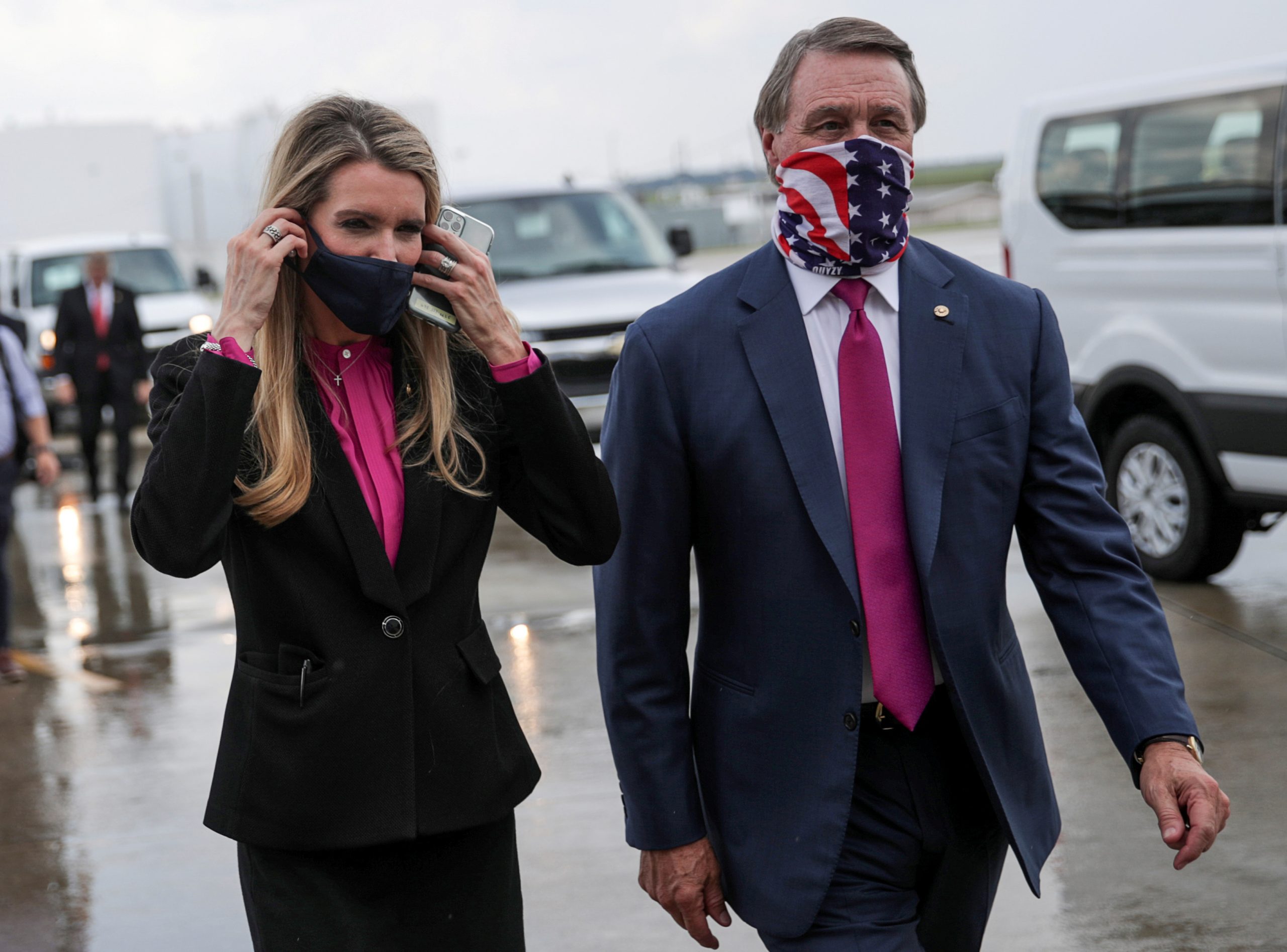
When the dust settles next month and all the ballots are counted, Americans still may not know until January which party will control the U.S. Senate for the next two years thanks to an unusual confluence of events in Georgia.
Two Senate seats in that state are up for grabs at the same time, and if no candidate wins 50% of the vote, state law forces a run-off election on Jan. 5 – two days after the rest of Congress is sworn in.
Some 10 Senate races are rated competitive this year, giving Democrats a chance of erasing Republicans’ 53-47 majority. That could lead to a bitter post-Nov. 3 political fight in the a largely Republican state with a growing Democratic electorate.
WHY ARE BOTH GEORGIA SENATE SEATS ON THE BALLOT?
Republican Senator David Perdue is up for re-election, according to the regular six-year U.S. Senate election cycle. He was first elected in 2014 and is now in a tight contest against Democrat Jon Ossoff, an investigative journalist and media executive.
Georgia’s other Republican senator, Kelly Loeffler, was appointed in 2019 to succeed former Senator Johnny Isakson, who retired. Her seat is now up for grabs in a special election that has drawn 21 candidates, including Republican U.S. Representative Doug Collins and Democrats Raphael Warnock and Matt Lieberman.
HOW COMMON ARE RUNOFF ELECTIONS AMONG U.S. STATES?
Several U.S. states including Georgia require runoff elections for primary contests that produce no clear winner.
But Georgia became one of the few states to apply runoffs to general elections, after a gubernatorial race in 1966 failed to produce a clear winner and a state legislature dominated by Democrats chose their own candidate over a Republican who had won a slightly larger plurality of voters.