



Iran Tells IAEA It Plans To Scale Back Cooperation in a Week
Iran has told the U.N. nuclear watchdog it will dramatically scale back cooperation with it in a week, a report by the agency to its member states showed on Tuesday, ratcheting up protests against U.S. sanctions still…
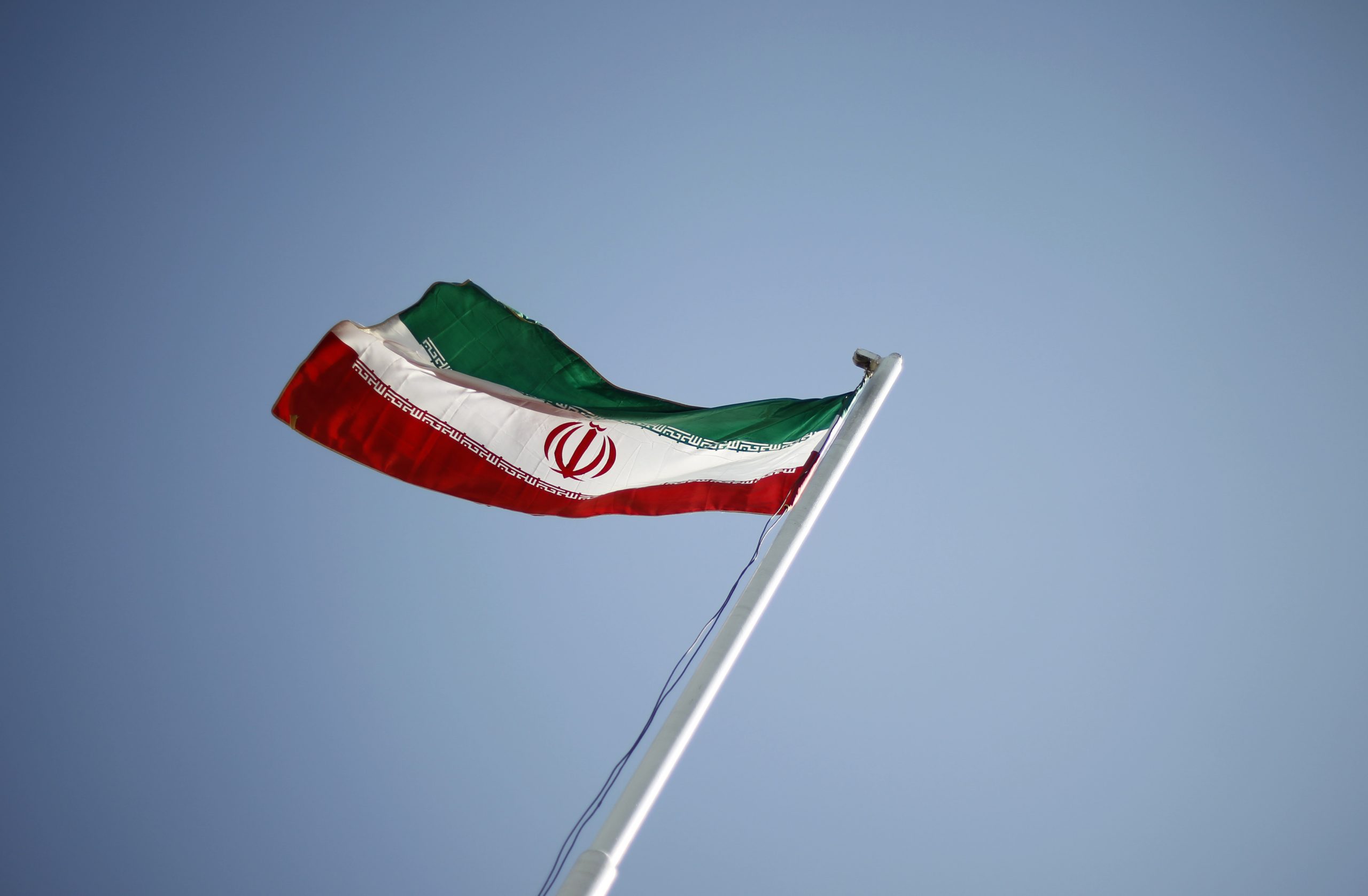
Iran has told the U.N. nuclear watchdog it will dramatically scale back cooperation with it in a week, a report by the agency to its member states showed on Tuesday, ratcheting up protests against U.S. sanctions still choking its economy.
Iran has accelerated its breaches of its 2015 nuclear deal with major powers in recent months, partly as demanded by a law passed in response to the killing in November of its top nuclear scientist, which Tehran has blamed on its foe Israel.
The breaches began in 2019 in response to a U.S. withdrawal from the deal under then-President Donald Trump, and Iran is now locked in a standoff with President Joe Biden’s administration over who should move first to save the accord.
“Iran informed the IAEA on 15 February that the country will stop implementing voluntary transparency measures under the JCPOA as of 23 February, including the Additional Protocol,” an International Atomic Energy Agency statement said. JCPOA stands for the Joint Comprehensive Plan of Action, the deal’s official name.
Under the deal, Iran is applying the Additional Protocol, which grants the IAEA the power to carry out short-notice inspections at locations not declared to it. It is in addition to core obligations under a country’s so-called Safeguards Agreement with the IAEA.