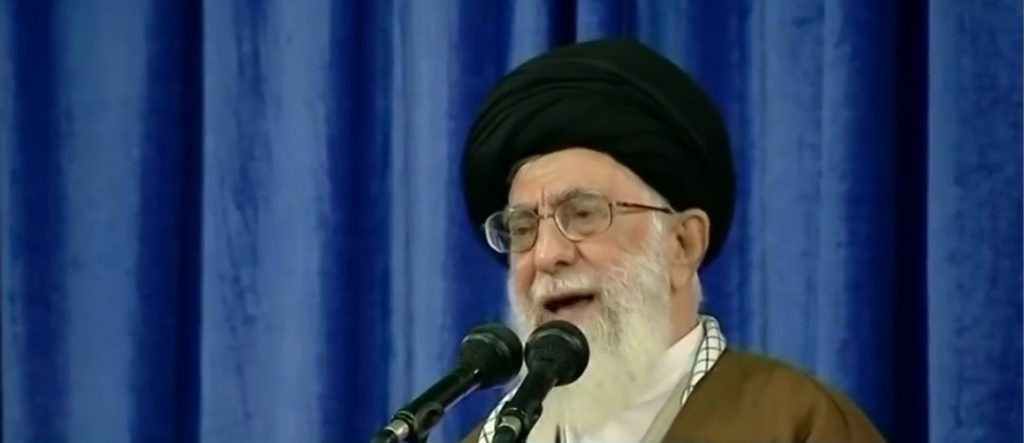



Iran is suspending cooperation with the United Nations-sponsored atomic energy agency in the wake of major U.S. strikes against Tehranâs nuclear program, Iranian state media reported Wednesday.
The Islamic Republic will no longer comply with the International Atomic Energy Association (IAEA), the primary arm used to monitor Iranâs nuclear enrichment facilities for decades, according to the state-owned Islamic Republic News Agency. The law, which ends IAEA access to Iranâs nuclear facilities, passed unanimously in Iranâs parliament, marking the nationâs increased retrenchment in the light of U.S. and Israeli strikes on its nuclear facilities in June.
Iran said it would keep the suspension in effect until the safety of its nuclear scientists and facilities are guaranteed, according to an Associated Press translation of Iranian state television. Israeli forces have already eliminated many of Iranâs top nuclear technical minds in addition to crippling various Iranian nuclear assets with American help.
While President Donald Trump has claimed that the U.S. âobliteratedâ the nuclear sites in Iran, damage assessments remain ongoing to determine the full extent of the damage. The administration, along with various other U.S. and Israeli officials, vehemently disputed a leaked preliminary report from the Defense Intelligence Agency (DIA) that suggested the damage to the nuclear program was minimal.
The DIA itself characterized the report as a âlow confidenceâ assessment.
The IAEA had been monitoring Iranâs nuclear capabilities for years, and despite its efforts, Iran continued to enrich uranium beyond civilian levels relatively unimpeded. The U.S. strikes in mid-June were the culmination of decades of threats from the U.S. that it would intervene if Iran did not reach a deal on its nuclear program.
Israeli Foreign Minister Gideon Saar condemned the move, saying in an X post Wednesday that the Iranian rejection of the IAEA amounts to a âcomplete renunciation of all its international nuclear obligations and commitments,â according to an AP translation.
Iran has not completely closed its doors to negotiations, although Iranian Foreign Minister Abbas Aragchi told CBS News Tuesday that Tehran would âneed more timeâ before they come to the table with the U.S. and Israel.
âIn order for us to decide to reengage, we will have to first ensure that America will not revert back to targeting us in a military attack during the negotiations,â Araghchi told CBS News.
Trump has said he reserves the right to strike Iran again if they continue attempting to create nuclear weapons.
The Iranian Foreign Ministry did not respond to the Daily Caller News Foundationâs request for comment.
All content created by the Daily Caller News Foundation, an independent and nonpartisan newswire service, is available without charge to any legitimate news publisher that can provide a large audience. All republished articles must include our logo, our reporterâs byline and their DCNF affiliation. For any questions about our guidelines or partnering with us, please contact [email protected].