



Explainer: Hobbled IRS Tax Agency May Need Months to Put Cash Into Americans’ Hands
In order to put recession-fighting checks into the hands of millions of Americans, President Donald Trump will rely on a tax agency that has fewer workers, a smaller budget, and the same 1960s-era computer systems it…
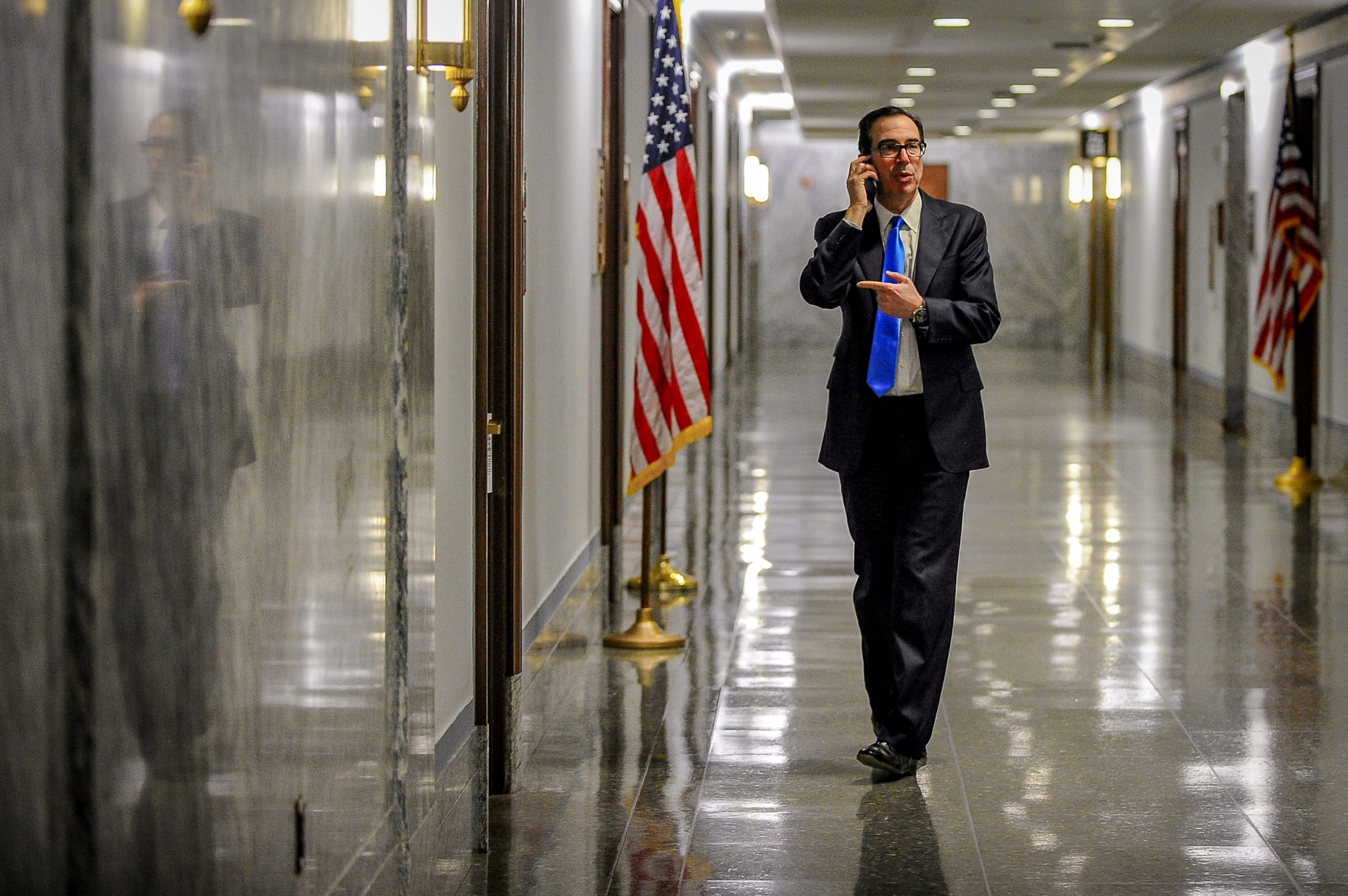
In order to put recession-fighting checks into the hands of millions of Americans, President Donald Trump will rely on a tax agency that has fewer workers, a smaller budget, and the same 1960s-era computer systems it had the last time it was asked to do so.
Hollowed out by budget cuts and hobbled by obsolete technology, the U.S. Internal Revenue Service has struggled over the past decade. Audits have dropped and taxpayer service has suffered, agency figures show.
Now Congress and the Trump administration are piling on more work as they scramble to contain the fallout from the coronavirus, which threatens to plunge the world’s largest economy into recession.
A new law signed by Trump on Wednesday creates tax breaks to underwrite a paid sick-leave benefit for workers. Lawmakers in the Senate were negotiating a plan over the weekend that could provide stimulus payments of more than $1,000 to millions of U.S. households.
Treasury Secretary Steven Mnuchin said he wants the payments to go out by early April.
Experts say it is likely to be a matter of months, not weeks, before those payments arrive. They say the flurry of activity could hurt the IRS’s ability to carry out its other routine tasks.
“It is the one agency that can do this stuff well. But that’s at the harm of everything else it’s supposed to do,” said Nina E. Olson, who served as the IRS’s National Taxpayer Advocate from 2001 to 2019.
Mnuchin on Friday pushed the tax filing deadline for U.S. businesses and households back to July 15 from April 15.
Economists say direct payments are one of the most effective ways to generate economic activity because people who get the money tend to spend it quickly.
In 2001, the IRS needed more than six weeks to issue the first rebates authorized by President George W. Bush’s tax cut. In 2008, the IRS issued its first payments to fight the Great Recession nearly three months after Bush signed off on them.