



Israeli Hospital’s Algorithm Predicts Risk Of Pulmonary Embolism Using Patient Records
Sheba Medical Center in Ramat Gan, central Israel, has developed an algorithm that accurately predicts the likelihood of a patient suffering a PE when admitted to the hospital. IBRANDIFY ON FREEPIK. “> TEL AVIV-YAFO…
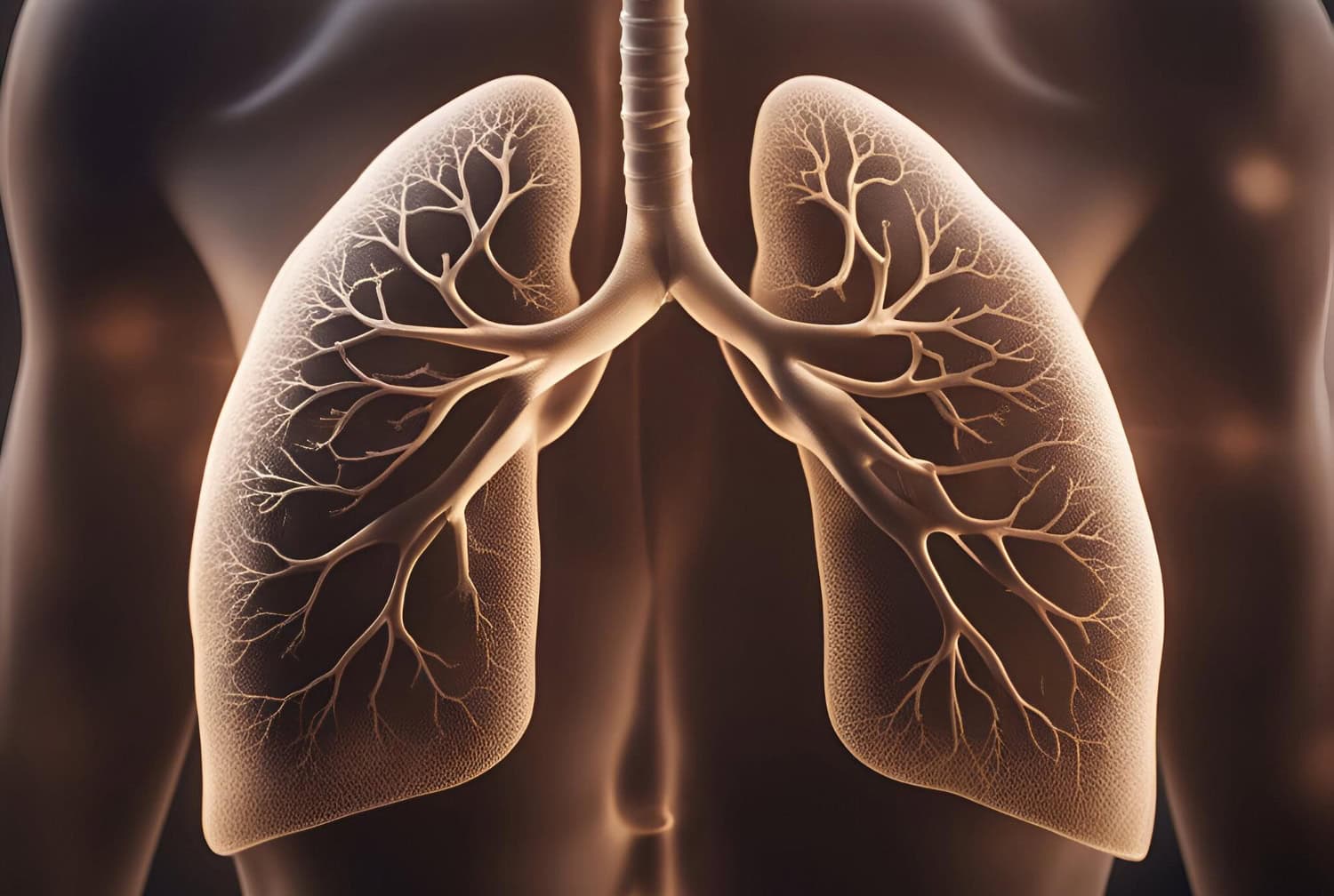
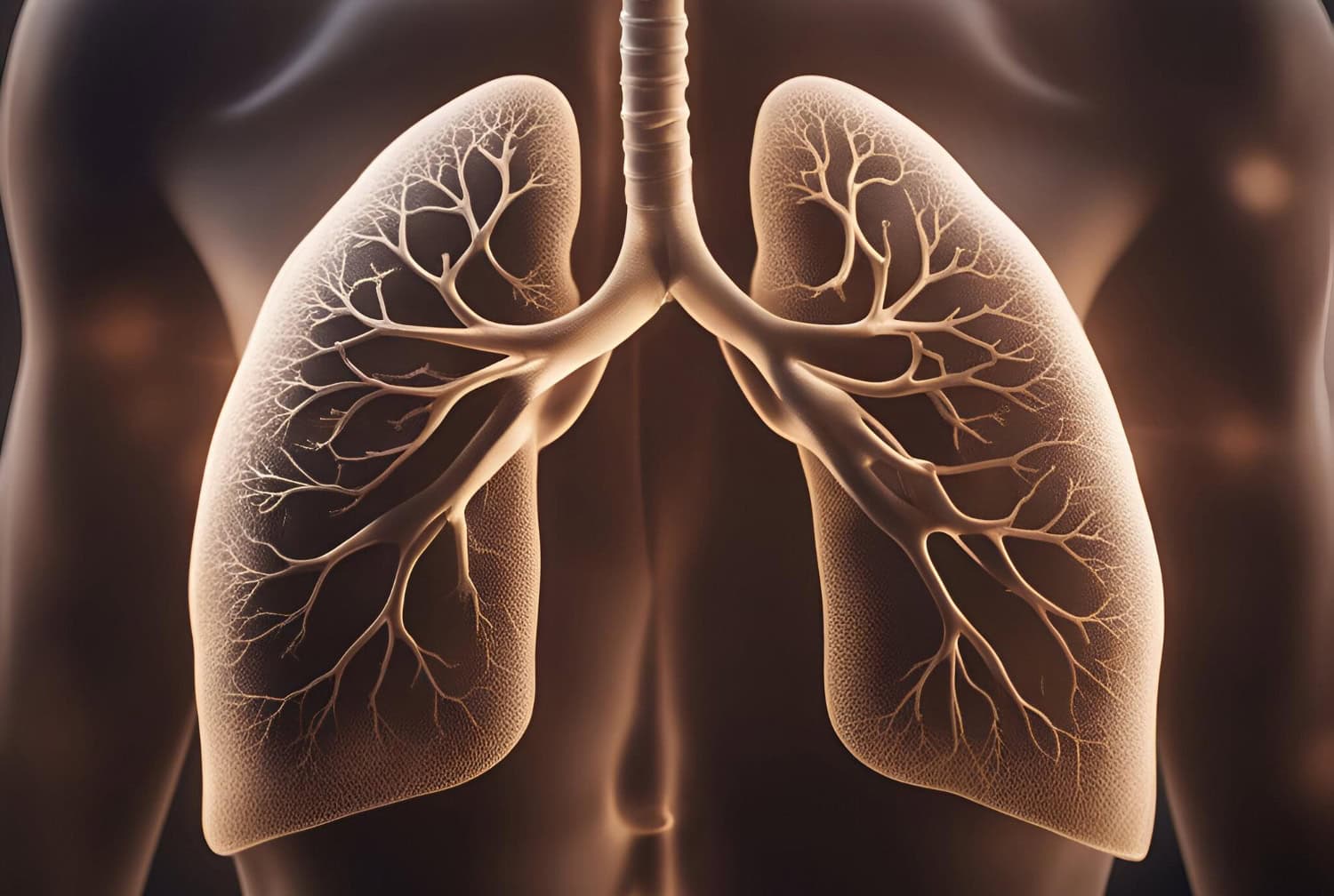
Sheba Medical Center in Ramat Gan, central Israel, has developed an algorithm that accurately predicts the likelihood of a patient suffering a PE when admitted to the hospital. IBRANDIFY ON FREEPIK.
“>
TEL AVIV-YAFO, Israel — A hospital in Israel is predicting patients’ risk of suffering pulmonary embolism (PE) — a potentially life-threatening lung blockage and the third most common cause of death from cardiovascular diseases – based entirely on Al’s analysis of their medical records.
The condition is notoriously hard to diagnose because the symptoms – typically a sudden difficulty in breathing, chest pains, coughing blood, and light-headedness – can easily be confused with many other illnesses.
But Sheba Medical Center in Ramat Gan, central Israel, has developed an algorithm that accurately predicts the likelihood of a patient suffering a PE when admitted to the hospital.
PE is primarily diagnosed through a CT scan. The algorithm instead uses only information gleaned from medical records: the patient’s age, sex, BMI (body mass index), past clinical PE events, chronic lung disease, past thrombotic events, and use of anticoagulants.
PE happens when a blood clot (thrombosis) – usually dislodged from a patient’s legs — travels through the bloodstream and blocks a blood vessel in the lungs. This reduces blood and oxygen flow in the lungs, increases blood pressure in the pulmonary arteries, and potentially damages the heart or lungs.
The research team, writing in the Journal of Medical Internet Research, says late or under-identification of a blood clot in one or more arteries to the lungs seriously threatens patients’ lives and is “a major challenge confronting modern medicine.”