



‘It’s A Serious Thing’: Peter Navarro Explains National Security Implications Of Copper Dumping In US Markets
Senior Counselor for Trade and Manufacturing Peter Navarro appeared on Newsmax Tuesday to discuss what he said are the national security implications of copper dumping in U.S. markets. President Donald Trump on Tuesday…
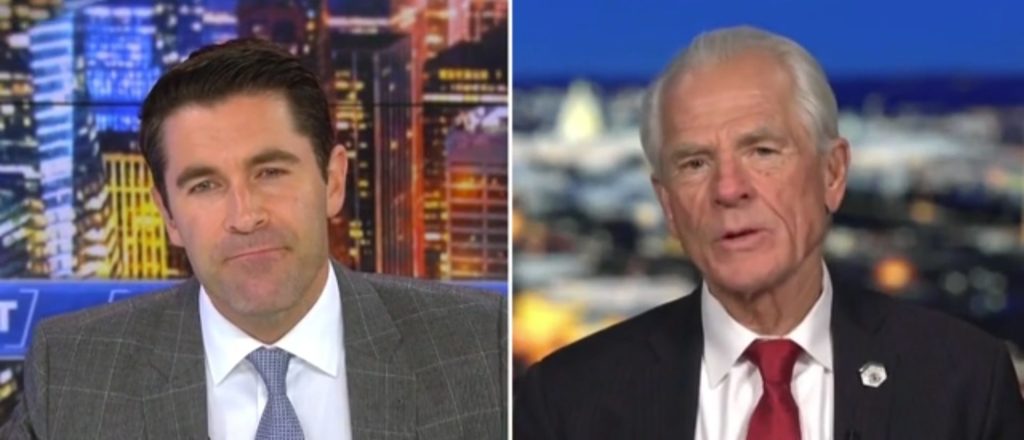
Senior Counselor for Trade and Manufacturing Peter Navarro appeared on Newsmax Tuesday to discuss what he said are the national security implications of copper dumping in U.S. markets.
President Donald Trump on Tuesday ordered a national security probe into potential new tariffs on copper imports to boost U.S. production of the critical metal, aiming to counter China’s dominance in the global market. In an appearance on “Rob Schmitt Tonight,” Navarro said the copper ranks as the second most vital resource for the Department of Defense as it’s integral to its sophisticated weapons systems. The current global market scenario, however, shows a trend of excessive dumping of copper into U.S. markets, undercutting domestic production capacities.
“Copper is like the second most important thing the Defense Department uses in order to make its weapons systems. And we’re in a situation now where worldwide there’s a glut of copper,” Navarro told Schmitt. “There’s a dumping of copper into our markets. And we’ve lost our ability to both smelt copper, which is taking the ore and getting the raw copper and refine it into the products we need. And it’s a serious thing.”
📺 Embedded media — coming soon
Navarro said Trump’s directive aligns with previous investigations under Section 232, similar to those conducted for aluminum and steel. These investigations have historically paved the way for protective tariffs designed to revive U.S. industries as Secretary of Commerce Howard Lutnick is expected to rapidly produce recommendations on whether to impose tariffs on imported copper.
“Today was one of a piece of 232 investigations like aluminum and steel, which we’ve already done. And Secretary Lutnick will in Trump time, which is to say quickly, come up with recommendations as to whether we should tariff copper so that we can regain our ability,” Navarro said. “And Rob, it’s like we’ve got supply and demand going like this towards a crisis, because with this whole electrification of our economy, we’re doubling copper demand in just 10 years. And we simply don’t have the capabilities to produce that.”