



JAMES CARTER And JIM ELLIS: Why Conservatives Should End Filibuster
For decades, conservatives have treated the Senate filibuster as a sacred protection against liberal overreach — a procedural shield that forces bipartisanship and slows the advance of progressive ambitions. But that…
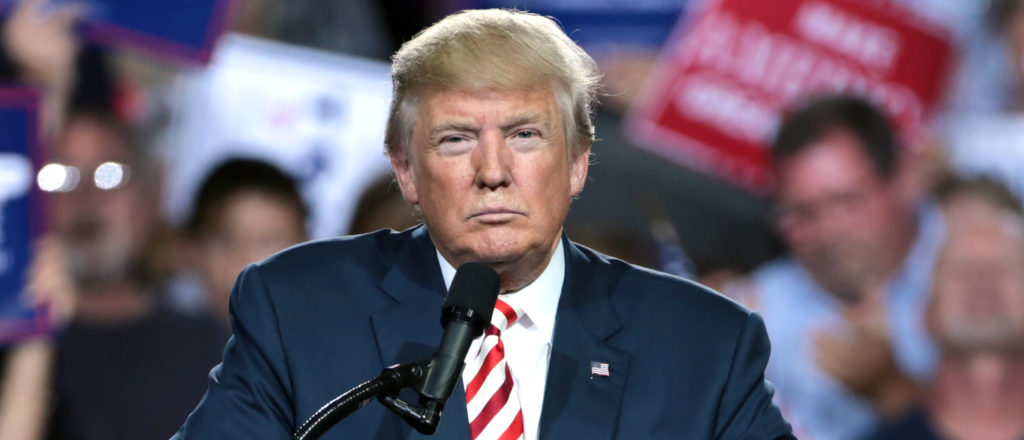

For decades, conservatives have treated the Senate filibuster as a sacred protection against liberal overreach — a procedural shield that forces bipartisanship and slows the advance of progressive ambitions. But that logic no longer holds. The political and institutional realities of Washington today demand that conservatives reconsider this old orthodoxy. If Republicans wish to enact meaningful reform, the filibuster must go.
President Donald Trump recently renewed his call for eliminating the filibuster so that Congress can pass his agenda. Although we have long favored maintaining the filibuster to protect minority rights, we believe President Trump was right to have called for its abolition.
The traditional conservative argument against ending the filibuster is straightforward: when Democrats return to power, they could use a simple majority to enact sweeping left-wing legislation. That concern is real—but also unavoidable.
It’s inevitable that Democrats will, upon regaining control, make the Senate a majority-rule body when it suits them.
Democrats have already signaled their intention to abolish the filibuster. Only former Democratic Sen. Joe Manchin of West Virginia and former independent Sen. Kyrsten Sinema of Arizona prevented then-Majority Leader Chuck Schumer from doing so the last time Democrats held the majority. Neither will be in the Senate when Democrats regain control.
In other words, the filibuster’s days are numbered. The only real question is who benefits from its demise. Republicans can either cling to a relic and let Democrats strike first—or they can take the initiative, end the filibuster now, and use the time they have in power to pass the core elements of a conservative policy revolution.