



Jasmine Crockett Reflects on Her Primary Loss
Rep. Jasmine Crockett (D-TX) is standing by her belief that racism—not campaign strategy—was a major reason she lost the Democratic primary for the U.S. Senate to fellow Democrat James Talarico, and she’s making it clear she has no intention of apologizing for saying so. Speaking after her upset defeat, Crockett argued that the race was […]
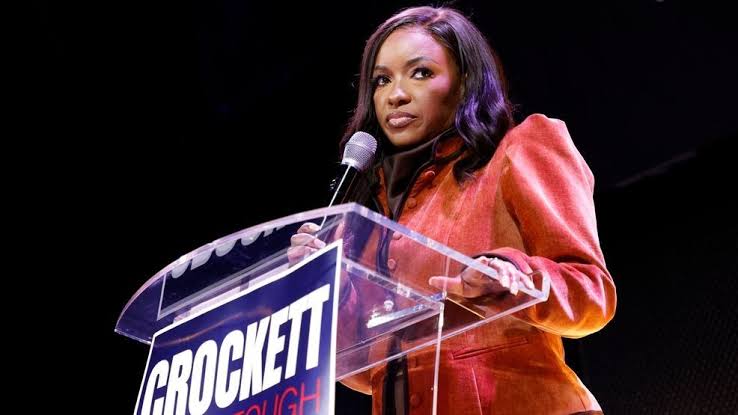
Rep. Jasmine Crockett (D-TX) is standing by her belief that racism—not campaign strategy—was a major reason she lost the Democratic primary for the U.S. Senate to fellow Democrat James Talarico, and she’s making it clear she has no intention of apologizing for saying so.
Speaking after her upset defeat, Crockett argued that the race was shaped by more than policy differences or campaign messaging. In her view, racial bias played a significant role in determining the outcome.
“The reality is that there was a lot of races, not a lot, it was racist. It was a racist race. It is what it is, right? But we live in America as y’all are celebrating 250, okay? We know what this country is,” Crockett said.
Those comments immediately reignited debate over the primary, especially because Talarico had managed to erase what had once looked like a comfortable polling advantage for Crockett. For weeks leading up to the March election, many surveys showed her leading the field, but Talarico ultimately secured the nomination and will now face Republican Sen. John Cornyn in November.
Even after the primary, Crockett has shown little interest in changing her approach. Critics argued that she should have spent more time campaigning with Talarico to help unify Democrats heading into the general election, but Crockett rejected that criticism outright.
Instead, she said her focus has been on strengthening Democratic candidates farther down the ballot. She pointed to five Black men she endorsed in Texas runoff elections, noting that each of them advanced to the November ballot.
“The best thing that I can do for James Talarico isn’t me standing on a stage with him,” Crockett said. “It is the fact that I endorsed five candidates in the runoff who all happen to be black men in the state of Texas and every single one of them won.”
For Crockett, the strategy is straightforward. She argues that giving voters multiple races and candidates to support is a better way to increase turnout than concentrating attention on a single statewide campaign.