



JASON ISAAC: Activist Groups Sabotaging American Energy Oppose America Itself
President Donald Trump’s energy dominance agenda is built on a simple premise. A nation that cannot reliably power its economy cannot remain prosperous, secure or free. Affordable and abundant energy is not a luxury. It…
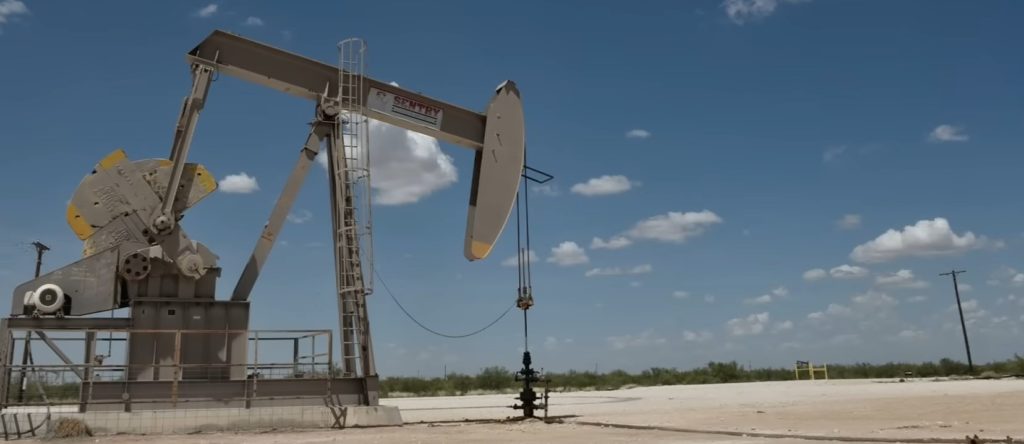

President Donald Trump’s energy dominance agenda is built on a simple premise. A nation that cannot reliably power its economy cannot remain prosperous, secure or free.
Affordable and abundant energy is not a luxury. It is the backbone of American leadership.
Yet even as the administration works to dismantle Biden-era regulations and restore sanity to energy policy, a highly coordinated activist network is working aggressively to undermine that effort. A new report from the American Energy Institute, which I lead, exposes how this network operates, who funds it, and why its ambitions extend far beyond climate or environmental policy.
The common thread uniting these organizations is not conservation, sustainability, or public health. It is hostility toward American power, American industry, and American leadership.
The same groups attacking U.S. oil, gas and coal are often found protesting Israel’s right to defend itself, opposing action against Venezuela’s narco-state dictatorship and condemning U.S. foreign policy as “imperialism.” These are not disconnected causes. They are manifestations of the same worldview, one that sees American strength as inherently illegitimate.
The report documents how organizations like the Sierra Club, Greenpeace, Friends of the Earth, and the Union of Concerned Scientists function as part of an integrated political apparatus. They share staff, messaging, legal strategies and financial backers.
When voters reject their agenda, they bypass democracy through regulation and litigation. When that fails, they escalate to obstruction, protests and in some cases sabotage of critical infrastructure.
This strategy was not accidental. More than a decade ago, climate activists explicitly modeled their approach on tobacco litigation, aiming to use the courts to cripple American energy companies when they could not win at the ballot box. Today’s climate lawsuits, regulatory ambushes and coordinated protests are the predictable result.
What is striking is how seamlessly this same activist infrastructure pivots from domestic energy policy to foreign policy agitation. Groups that claim to oppose American energy production because it supposedly harms the planet suddenly rally to defend Venezuela’s socialist dictatorship, a regime built on corruption, murder, drug trafficking and environmental devastation. Others loudly oppose Israel while remaining conspicuously silent about terrorism, authoritarianism, and human rights abuses committed by America’s adversaries.