



JD Foster: A Data Dependent Fed Is A Perpetually Too Late Fed
One phrase heard repeatedly in recent years is that monetary policy will be “data dependent.” In his Jackson Hole remarks, Chair Powell seems to have avoided the phrase while repeatedly emphasizing its contents with…
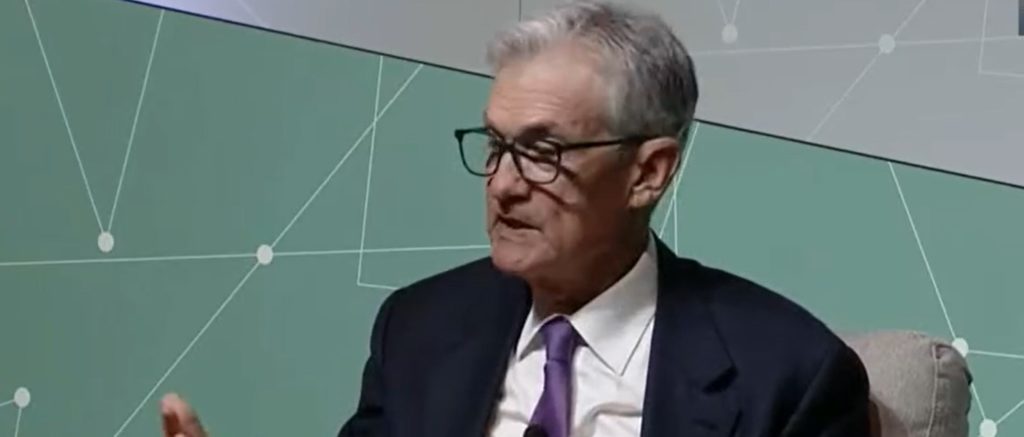

One phrase heard repeatedly in recent years is that monetary policy will be “data dependent.” In his Jackson Hole remarks, Chair Powell seems to have avoided the phrase while repeatedly emphasizing its contents with references to “current conditions.”
Data dependent means policy is almost certainly inappropriate to current and future conditions. It’s another way of saying, “we don’t know what we’re doing, but we’re doing it anyway.”
Fed policy watchers agree on little, but they generally embrace Milton Friedman’s dictum that monetary policy works with long and variable lags. In contrast, data tell us what happened in the past.
Suppose the Fed waits for clear signs inflation is under control. The latest CPI release may say it is, but that was last month. Further, the data get revised, so maybe the revisions next month and the month after will tell a different story.
Data dependent means looking for a sustained pattern. The data is naturally noisy even without revisions. A sustained pattern requires multiple months of comforting CPI data before the Fed can adjust policy.
Data tell us history while sound and deliberate monetary policy reflects a view about the future. Therein lies the two-valved heart of the Fed’s repeated failings. The first is that while monetary policy should be forward looking, Powell’s Fed is always backward looking.
Second, sound and deliberate monetary policy should reflect what policymakers believe is likely to happen months from now, when current policy’s effects will manifest. In fact, as their data dependency confirms, Powell & Co. have little confidence in their understanding of the economy. In that, at least, their perspective is on solid ground.
Remember “temporary inflation?” Remember how tariffs would trigger renewed inflation and recession? Whatever one thinks of Trump’s tariffs, we’re still waiting on those dastardly harmful effects, and we’ll likely still be waiting at the end of Trump’s term. Those false predictions of temporary inflation and inflationary tariffs are just the latest examples of the Fed’s analytic mistakes.