



JD Foster: One-Man Legislature John Roberts And The Trump Tariff Decision
You would think being the United States Supreme Court Chief Justice would be enough for any man, but John Roberts also likes being a shadow senator. Yes, he did it again. Responding to perceptions of public opinion and…
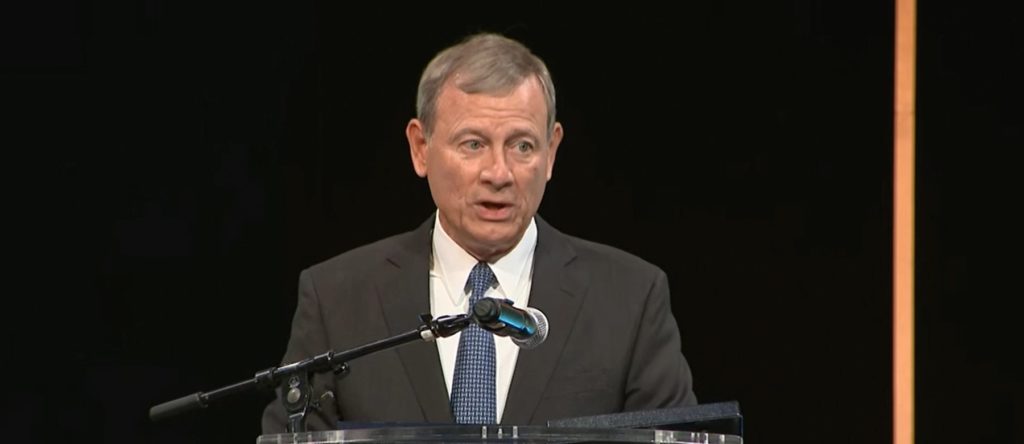

You would think being the United States Supreme Court Chief Justice would be enough for any man, but John Roberts also likes being a shadow senator. Yes, he did it again. Responding to perceptions of public opinion and his own views, Roberts didn’t “call balls and strikes” on Trump’s tariffs. Roberts went to bat, just as he did 14 years ago to save Obamacare.
As an unabashedly free-trade economist, I’m not entirely comfortable with using tariffs to bludgeon friend and foe. But I grant the necessity. Our trading partners do us dirty time and again. Tariffs create leverage to force them to clean up their act. It has mostly worked and beats watching our “friends” con America with empty trade talks year after year.
I tread gingerly into the Supremes’ debates, but as with the Obamacare precedent, dissecting the tariff ruling isn’t hard. Writing for the majority, Roberts observed the statute in question authorizes the president to “investigate, block during the pendency of an investigation, regulate, direct and compel, nullify, void, prevent or prohibit … importation or exportation.”
Roberts observed the statute omits tariffs and duties in this lengthy list and hence the punch line. “Had Congress intended to convey the distinct and extraordinary power to impose tariffs, it would have done so expressly, as it consistently has in other tariff statutes.”
The flaw in Roberts’ argument is obvious. Suppose a president invoked the statute to regulate importation as per the statute. Regulating importation requires a means, an agency, a tool. But what tool? The statute doesn’t say. But Congress surely intended some mechanism be available. Along with quotas and bans, a tariff is the obvious option.
Justice Kavanaugh in dissent, in an opinion joined by Justices Alito and Thomas, made these points clearly. Logically, the dissent is insuperable, yet Roberts led two other “conservatives,” Justices Barrett and Gorsuch, to join with the Court’s three liberals.
True, the ruling was 6 to 3. Roberts could have dissented, leaving Trump with a 5 to 4 loss. But would Barrett or Gorsuch stand with the liberals against the Chief Justice in such an important ruling? Alternatively, did Barrett and Gorsuch ignore the obvious to support the Chief?