




Jerome Powell Pressed On Why Fed Isn’t Lowering Rates To Help Americans Afford Homes
Multiple reporters questioned Federal Reserve Chairman Jerome Powell during a Wednesday press conference over the decision to keep interest rates steady. The Fed announced that interest rates would remain steady …
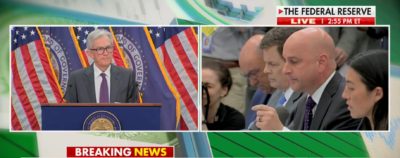

Multiple reporters questioned Federal Reserve Chairman Jerome Powell during a Wednesday press conference over the decision to keep interest rates steady.
The Fed announced that interest rates would remain steady, despite second-quarter GDP growth of 3% and lobbying from President Donald Trump. Reporters from the Wall Street Journal and Fox Business Network questioned Powell about why he wasn’t lowering interest rates, with Fox Business reporter Ed Lawrence pointing out the effects on would-be homebuyers.
“How do you justify to someone looking for a house, facing a 7% mortgage, and maybe can’t afford those rates?” Lawrence asked Powell. “How do you justify that?”
WATCH:
📺 Embedded media — coming soon
“Housing is a special case, right? We don’t set mortgage rates at the Fed. We set an overnight rate. The rates that go into mortgages are longer-term rates, like Treasury rates, might be 30-year rates … Something we don’t have any effect, we have do an effect but not we’re not the main effect,” Powell claimed. “There are other things going on in the housing sector and one of those is a long-term housing shortage that we have. We haven’t built enough housing, this is not something the Fed can help with, and that will be the case after things normalize. So, I think the best thing we can do for housing is to have 2% inflation and maximum employment and that’s what we can contribute to housing.”
Trump and Powell have reportedly clashed over the Fed’s failure to lower interest rates, with Trump nicknaming Powell “Too Late” over the Fed chairman’s refusal to cut rates.
Two members of the Federal Open Market Committee (FOMC), Fed Governors Michelle Bowman and Christopher Waller, dissented from keeping rates steady, arguing for the equivalent of a .25% cut in the first double dissent since 1993, Fox Business