



EXCLUSIVE: Jim Jordan Readies His Committee For Another Showdown Against Administrative State
Members of a House Judiciary Committee subcommittee have scheduled a Feb. 11 hearing to consider ways to limit the administrative state’s ability to impose new regulations. President Donald Trump signed an executive…
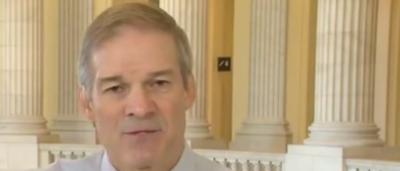

Members of a House Judiciary Committee subcommittee have scheduled a Feb. 11 hearing to consider ways to limit the administrative state’s ability to impose new regulations.
President Donald Trump signed an executive order Jan. 20 imposing a freeze on new regulations. House Republicans, meanwhile, say they plan to support legislation that would place additional controls on government regulations. Axon Enterprise CEO Rick Smith, entrepreneur Magatte Wade and Hoover Institution Research Fellow Dr. Patrick McLaughlin are scheduled to testify at the Feb. 11 hearing.
“The American people trust President Trump and Republicans to strengthen our country,” Republican Rep. Jim Jordan of Ohio, the House Judiciary Committee chairman, told the Daily Caller News Foundation. “That starts with transparency into government bureaucracy and cutting unnecessary red tape to make sure the American economy can thrive.”
The hearing, titled “Reining in the Administrative State: Regulatory and Administrative Law Reform,” will likely discuss HR 142, the Regulations from the Executive in Need of Scrutiny (REINS) Act, introduced by Republican Rep. Kat Cammack of Florida.
“The Supreme Court’s ruling in Loper Bright made it clear that Congress, not unelected bureaucrats, make the law. But more must be done to check the unconstitutional overreach of the administrative state,” Republican Rep. Scott Fitzgerald of Wisconsin, the chairman of the Subcommittee on the Administrative State, Regulatory Reform, and Antitrust, told the DCNF. “Not only should we codify the Loper Bright decision, but we should ensure rules that exceed the agency’s statutory authority are narrowed or repealed. This hearing will give members an opportunity to make those determinations.”