



JOSH HAMMER: Yes, President Trump Has Authority To Fire Lisa Cook
On Monday, President Donald Trump moved to fire Lisa Cook, a Biden-nominated member of the Federal Reserve’s Board of Governors. He moved to fire Cook for “cause,” and that cause is clear enough: According to William…
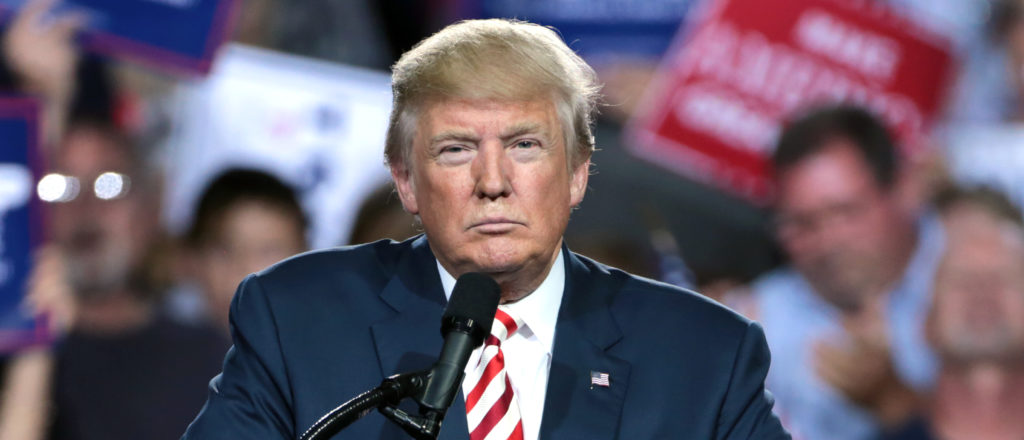

On Monday, President Donald Trump moved to fire Lisa Cook, a Biden-nominated member of the Federal Reserve’s Board of Governors. He moved to fire Cook for “cause,” and that cause is clear enough:
According to William Pulte, director of the Federal Housing Finance Agency, Cook allegedly committed mortgage fraud by lying about her principal place of residence for purposes of securing more favorable interest rates — and then failed to report her rental income from the properties, to boot.
Trump’s move is the first time a president has ever tried to fire a Fed governor for cause, and Trump’s usual detractors have criticized him for his latest perceived violation of institutional norms. But Trump has acted appropriately; he is fully within his constitutional and statutorily delegated authority to remove Cook — whether for “cause” or not.
Let’s return to first principles.
The modern administrative state operates as a fourth branch of government, unmoored from direct political accountability. Its very existence, to say nothing of its present metastasis, is in irreconcilable tension with the American Founders’ vision of a clearly delineated tripartite separation of powers between Congress, executive branch and judiciary.
Article II of the Constitution vests the entirety of the “executive power” in the hands of the president of the United States. And as Chief Justice William Howard Taft (himself a former president) made clear in Myers v. United States (1926), this includes the power to remove executive branch officers. While the New Deal-era case Humphrey’s Executor v. United States (1935) carved out a dubious exception for so-called independent agencies, constitutionalists have long understood Humphrey’s as an aberration in need of reversal.
Indeed, the Supreme Court has been chipping away at this edifice.
In Seila Law v. Consumer Financial Protection Bureau (2020), the Roberts court held that Congress cannot insulate a lone executive officer — in that case, the director of the bureau — from at-will presidential removal. In Collins v. Yellen (2021), the court extended that logic even further, holding that restrictions on the president’s ability to remove the head of the FHFA are also unconstitutional.