



Justin Trudeau’s Party Names His Successor
Canada’s Liberal Party elected Mark Carney as its new leader Sunday, positioning him to succeed Justin Trudeau as prime minister. Carney, a former central banker, won in a landslide, taking 86% of the vote in a race to…
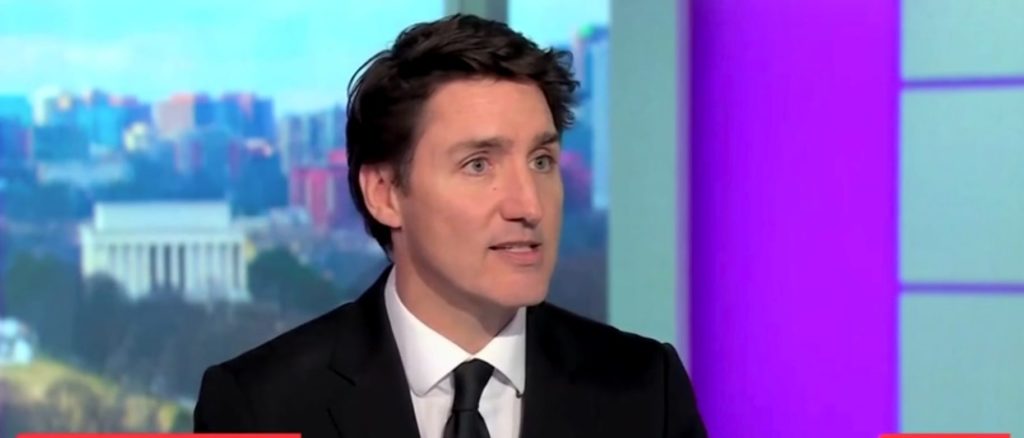

Canada’s Liberal Party elected Mark Carney as its new leader Sunday, positioning him to succeed Justin Trudeau as prime minister.
Carney, a former central banker, won in a landslide, taking 86% of the vote in a race to lead Liberals into the country’s federal election in October. He is also tasked with confronting President Donald Trump, who has imposed steep tariffs on Canadian imports amid an ongoing trade dispute across North America.
“Now, Donald Trump is trying to weaken our economy. But there’s someone else who, if he succeeds, will weaken our economy. It’s Pierre Poilievre,” Carney said at his victory speech in Ottawa. “Pierre Poilievre just doesn’t get it. He is the type of lifelong politician — and I’ve seen this type around the world — a lifelong politician who worships at the altar of the free market despite never having made a payroll himself.”
His remarks set the stage for a high-stakes battle with Conservative leader Pierre Poilievre, who has led in the polls ahead of October but now faces a reinvigorated Liberal Party, according to CBC News polling. While Poilievre has tried to distance himself from Trump amid his tariffs and annexation rhetoric, Carney worked to link the two together, casting his Conservative rival as a right-wing populist whose policies would weaken Canada’s position in an increasingly hostile global economy.
Carney, who has never held elected office, built his career primarily in investment banking and financial regulation. He worked at Goldman Sachs for over a decade before pivoting to public service. Former Conservative Prime Minister Stephen Harper appointed Carney to lead the Bank of Canada in 2008, with his tenure being most notable for overlapping Great Recession. Carney later became in governor of the Bank of England in 2013, overseeing British central banking during Brexit and the initial stages of the COVID-19 pandemic.
Carney has been vocal on climate issues while serving as the United Nations special envoy on climate change and finance. He emphasized that net zero policies represent a “clear goal” for the financial sector and highlighted the importance of “finding the opportunities to advance that and to be rewarded by it” in a 2021 UN