



LA Response To Deadly Fires Strained By Jan. 6 Anniversary Prep, Report Finds
An independent review of Los Angeles County’s response to the January fires found a “series of weaknesses” that hindered efforts to alert and evacuate residents, including the sheriff’s department being tied up with…
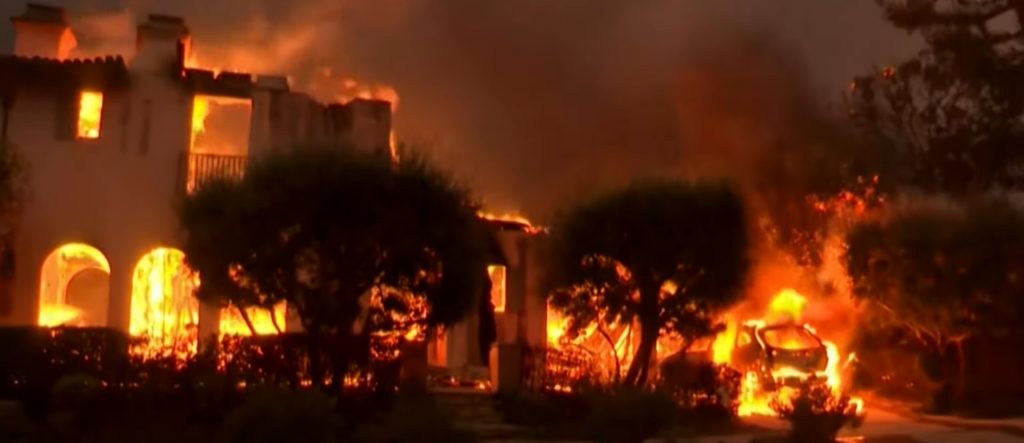

An independent review of Los Angeles County’s response to the January fires found a “series of weaknesses” that hindered efforts to alert and evacuate residents, including the sheriff’s department being tied up with preparations for the anniversary of the Jan. 6 attack on the Capitol.
The January blazes killed 31 people, destroyed more than 16,000 homes and buildings from Malibu to Pasadena, and caused more than $100 billion in damages to residential properties, according to the Los Angeles Times. The after-action report, prepared by consulting firm McChrystal Group on behalf of the Los Angeles County Board of Supervisors, cited staffing shortages, outdated policies, inconsistent practices, and communication failures as key factors that hampered the response.
One of the most alarming shortcomings highlighted in the report was the 900 deputy vacancies in the Los Angeles County Sheriff’s Department (LASD). The review also noted that the LASD had been “occupied with preparations for multiple planned events, including the Rose Parade, the anniversary of the January 6, 2021, attack on the U.S. Capitol, and the Presidential Inauguration.”
“While the department had resources in place for a potential extreme wind and fire event, the competing priorities understandably stretched their capacity,” the report stated.
Moreover, the county’s evacuation response was hampered by conflicting and outdated policies, protocols, and standard operating procedures regarding decision-making authority. The report found that the chain of command for issuing evacuation orders was not clearly defined.
Evacuation alerts were inconsistent, with some requiring residents to opt-in or follow an additional link to view full details, which slowed the delivery of critical information. The alert system also lacked key details about the fire’s progression, as well as the names and locations of evacuation zones.