



LARRY ELDER: Race Based Mapmaking Is Racist
The Supreme Court is considering a Louisiana redistricting case that could have a greater impact on U.S House of Representatives seats than the Texas and California “gerrymandering” maneuvers combined. The New York…
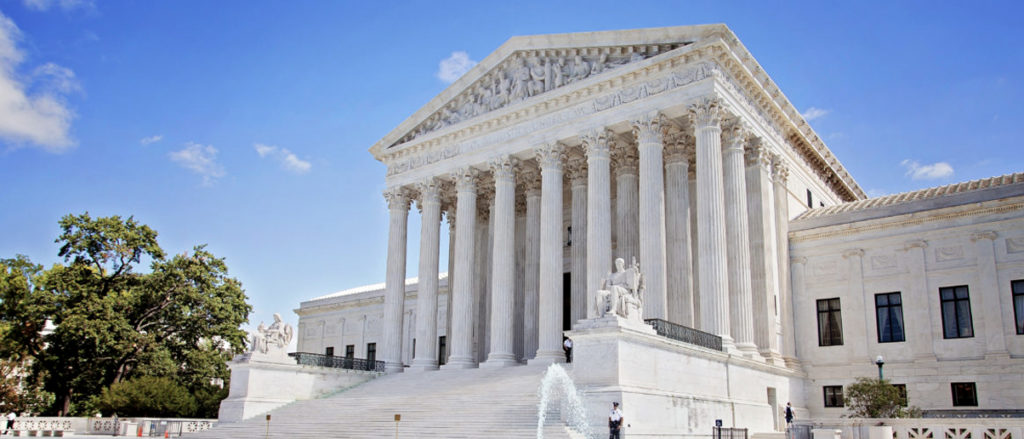

The Supreme Court is considering a Louisiana redistricting case that could have a greater impact on U.S House of Representatives seats than the Texas and California “gerrymandering” maneuvers combined.
The New York Times wrote, “Democrats would be in danger of losing around a dozen majority-minority districts across the South if the court struck down part of the Voting Rights Act.”
White House Deputy Chief of Staff Stephen Miller tweeted, “How many people just realized that Dems had as many as 20 extra seats based on years of unconstitutional race-based gerrymandering?”
For the purpose of “racial justice” under the Voting Rights Act, Democrat legislatures and politicians created several “majority-minority” districts in order to elect black and Hispanic congressional members. The Supreme Court will rule on whether these districts violate equal protection under the Constitution.
ACLU Voting Rights Project Director Sophia Lin Lakin, who supports these majority-minority districts, said: “Section 2 of the Voting Rights Act has been a critical tool in safeguarding the promise that people of color can participate in our democracy on equal terms. It has been our shield against discriminatory maps and our answer to laws designed to suppress the vote. Congress passed the Voting Rights Act with overwhelming, bipartisan support — and reauthorized it again and again — because our leaders understood a fundamental truth: you cannot cure discrimination by pretending it doesn’t exist.”
NAACP lawyer Janai Nelson told the court, “It was clear that, regardless of party, white Democrats were not voting for black candidates whether they were Democrats or not. We know that there is such a significant chasm between how black and white voters vote in Louisiana that there is no question that even if there is some correlation between race and party, that race is the driving factor.”
The Supreme Court decades ago in Shaw v. Reno (1993) and Miller v. Johnson (1995) ruled against districts where gerrymandering by race was the dominant factor. “Ethnic cleansing!” cried Jesse Jackson after the Miller decision. Elaine Jones of the NAACP Legal Defense Fund said, “The noose is tightening.” Her colleague, Theodore Shaw, warned that once this decision goes through, the Black Congressional Caucus “could meet in the back seat of a taxicab.” But of the black House members in the four redesigned majority-white Southern districts who decided to run for reelection, three won. One chose not to run.