



Leavitt Looks Baffled After Reporter Asks Why Texas Flood Alerts Were Sent ‘While People Were Likely Sleeping’
White House press secretary Karoline Leavitt had to explain to Hearst Television White House correspondent Kalyn Norwood on Monday why Texas flood alerts were sent “while people were likely sleeping.” Flash floods have…
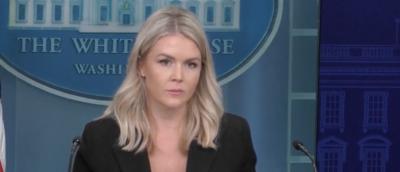

White House press secretary Karoline Leavitt had to explain to Hearst Television White House correspondent Kalyn Norwood on Monday why Texas flood alerts were sent “while people were likely sleeping.”
Flash floods have devastated areas across six counties in Texas since Friday, leading to the deaths of 90 people and several children attending an all-girls Christian camp. The press secretary said that the proper agencies sent out flash flood warnings in a “timely” and appropriate manner, and that the timing of the flood was out of the administration’s control.
“Knowing that did go out, but the warnings coming out in the early hours, so while many people were likely sleeping,” Norwood began. “Can you share just details what you know why those alerts were sent out while people were likely sleeping and then what the administration is doing that these alerts come out sooner.”
“Well, the alerts were imminently sent out before the flood when people were sleeping because the flood hit in the very early hours of the morning,” Leavitt said. “So, people were sleeping in the middle of the night when this flood came. That was an act of God, that was not the administration’s fault that the flood hit when it did.”
WATCH:
📺 Embedded media — coming soon
The press secretary read through the timeline of the several flash flood warnings issued days and hours before the floods hit the affected areas.
“But there were early and consistent warnings and again, the National Weather Service did its job on July 2, there were initial notices of potential weather and flooding risks were issued. On July 3, escalated notices issued throughout the day with a flood watch issued a 1:18 p.m., and then later, at 6:10 p.m. on July 3, the Weather Prediction Center warned of excessive rainfall in a high likelihood of flash flooding,” Leavitt said.
The National Weather Center further issued warnings of “flooding risks” at 6:22 p.m. on July 3, while several “timely” flash flood alerts were issued throughout the afternoon and into the early hours leading up the natural disaster. The flash floods began around 4 a.m. on Friday, prompting the Guadalupe River to