



LEIF LARSON: The Art Of A Bad Railroad Merger Deal
The rail industry has significantly shaped America and continues to guide our nation into the future. Without railroads, the world would look very different. Trains have had a profound impact on everything from the…
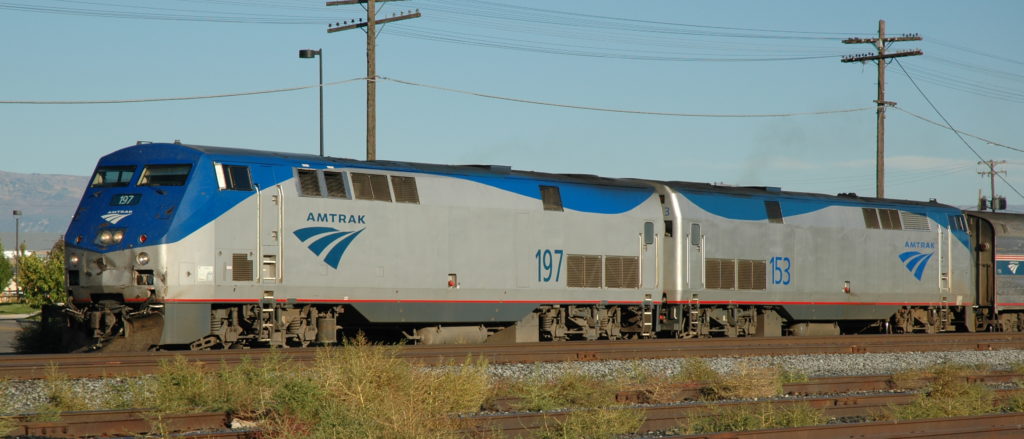

The rail industry has significantly shaped America and continues to guide our nation into the future. Without railroads, the world would look very different. Trains have had a profound impact on everything from the Industrial Revolution to the layout of cities, leaving a lasting mark across the United States.
A proposed railroad merger between Union Pacific and Norfolk Southern Railroad has impacted policy far beyond transportation. The merger is not a good idea because it would concentrate too much power in two railroad companies. Unlike other markets, railroad competition is limited by the number of railways that can be used and government policies that have allowed a handful of companies to dominate the market. Competition is beneficial, and American consumers would be subject to the will of these two railway giants if they were allowed to merge into a single, larger company.
Examining historical trends since the introduction of the steam locomotive reveals the industry’s continued importance today. Railroads are key links in global supply chains. In 2023,38% of all U.S. rail traffic was tied to international trade, with more than 543 million tons of goods being moved through ports and across borders.
The Trump Administration’s Surface Transportation Board should reject this merger, as it would harm consumers, workers, and the American economy. This deal is a case study in the art of a bad deal for American competitiveness.
In a recent meeting, Union Pacific CEO Jim Vena suggested sending National Guard troops to Memphis, St Louis, and Chicago. These cities are key connection points for his railroad and Norfolk Southern, his merger partner. Union Pacific and Norfolk Southern are working to merge into a mega railroad with tracks meeting in the middle of the country.
Past mergers suggest connected cities will face pain from a combined railroad, affecting many others due to the interconnected nation’s rail network. Merging systems, cultures, and plans cause complications that ripple across the supply chain. The public already suffers from blockages at crossings that delay families.