



‘Like A First Draft Written By A Law Clerk’: Dershowitz Slams Supreme Court’s ‘B-Minus’ TikTok Ban Decision
Attorney Alan Dershowitz appeared on Newsmax Friday to criticize the U.S. Supreme Court’s unanimous decision to uphold the TikTok ban, calling it “a B-minus” effort that “looks like a first draft written by a law…
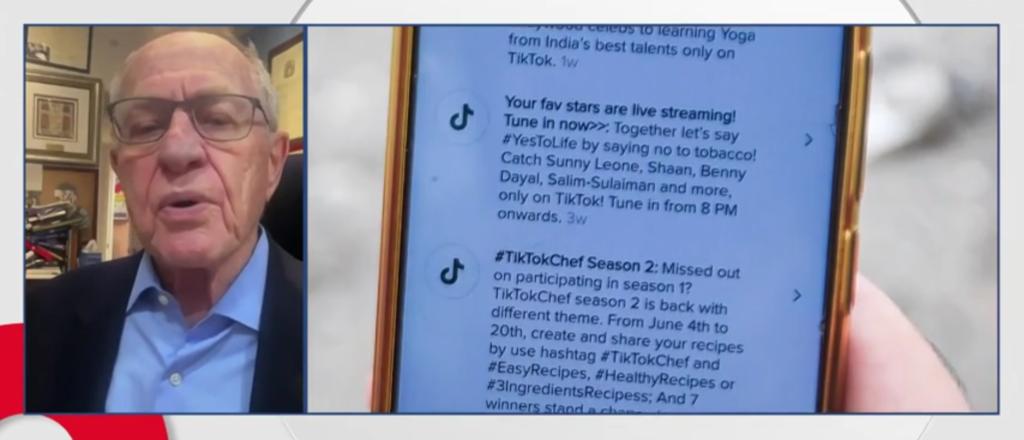
Attorney Alan Dershowitz appeared on Newsmax Friday to criticize the U.S. Supreme Court’s unanimous decision to uphold the TikTok ban, calling it “a B-minus” effort that “looks like a first draft written by a law clerk.”
The Supreme Court on Friday upheld the decision that will ban TikTok in the United States for national security reasons unless its Chinese parent company, ByteDance, sells it. During an appearance on “The Record with Greta Van Susteren,” Dershowitz said he defended TikTok’s right to operate and criticized the ban for blocking access to millions of users.
“It was rushed through. It goes through all the standards that you have to apply, and it got it all wrong,” Dershowitz said. “I don’t like TikTok. I wish it were defeated in the marketplace of ideas. But the idea of preventing 170 million people from having access to it on speculative assumptions about national security, this is not going to have one bit of a positive impact on protecting America’s national security.”
📺 Embedded media — coming soon
Dershowitz said he believes the unanimous decision reflects a broader issue within the Supreme Court.
“The reason why the Supreme Court ruled this way, nine-nothing, is there is not a single civil libertarian on the United States Supreme Court. There are leftists, and there are conservatives. The closest you should come to it probably is Gorsuch,” Dershowitz said. “Scalia was a civil libertarian. But there are no real civil libertarians today on the Supreme Court. There are no real civil libertarians on the American Civil Liberties Union. There are no real civil libertarians in many American universities.”
Dershowitz cited certain past Supreme Court justices and said they were true civil libertarians who advocated for free speech.