



MANISHA SINGH: No Great Expectations Of The Group Of Seven
Commencing in 1975 as the Group of Six, then becoming the Group of Eight, the now Group of Seven (G7) assembled this week in Canada, the G7 member designated as the 2025 “presidency.” The tradition at these global…
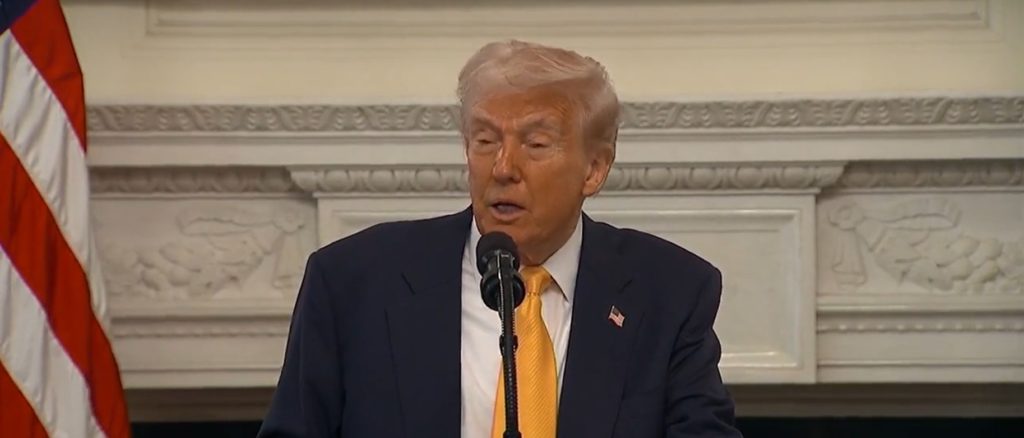

Commencing in 1975 as the Group of Six, then becoming the Group of Eight, the now Group of Seven (G7) assembled this week in Canada, the G7 member designated as the 2025 “presidency.” The tradition at these global confabs is to discuss much, but to solve little or nothing. The stated goals year after year are essentially the same, even if the verbiage used varies. The gathering in Alberta this year, however, has been more interesting due to the President Donald Trump effect. Curiously elected Canadian Prime Minister Mark Carney decided not to push for the usual written leaders communique as Mr. Trump is reluctant to put America’s signature on documents that don’t amount to much.
Collectivism often promotes the lowest common denominator as is evident from years of pointless declarations emerging from these group meetings. Mr. Trump opted for productive bilateral conversations. Apart from their group membership, each of the other six countries is trade or strategic partner of America and there are issues to address.
Mr. Trump returned to Washington to get back to work and attend to Middle East conflagrations. He has made clear that Israel has the right to self-defense. He has consistently stated that Iran cannot obtain a nuclear weapon. This group of nations has had many opportunities to deal diplomatically with Iran’s nuclear ambitions, yet they have failed. Now that Israel has acted, the G7 is quick to put pen to paper. Under the leadership of Prime Minister Benjamin Netanyahu, Israel can move to contain the world’s largest state sponsor of terrorism without acquiescence from the G7.
Mr. Trump and Secretary of State Marco Rubio have made clear that “Iran should not target U.S. interests or personnel.” Mr. Trump has pledged peace through strength and no new wars. And this is indeed not a new war. The Islamic Revolutionary Guard Corps (IRGC) declared war on America, Israel and on the Persian people subsequent to the formation of the G6. The result of the current conflict will likely present a crevice for the people of Iran to reclaim their own fate.
The original G6 included France, West Germany, Japan, United Kingdom, Italy and America. Canada was added in 1976 and post-Soviet Russia joined in 1997. The initial mission of the group was to address economic and trade issues among the world’s largest economies. It quickly became a geopolitical forum focused more on wordsmithing documents to demonstrate globalized collaboration. By 2014, Russia was suspended due to its invasion of Crimea during the Obama Administration. It left the G8 permanently in 2017. Inexplicably, the European Union and the European Commission were given seats at the G7 table furthering its bureaucratic nature, inability to solve conflict and contain rogue regimes.