



Mark Zuckerberg Admits Biden-Harris Admin Pressured Facebook To Censor Content, Expresses Regret
Mark Zuckerberg expressed regret Monday that Facebook caved to pressure by the Biden-Harris administration to censor content. Zuckerberg admitted in a letter to House Judiciary Committee Chairman Jim Jordan that senior…
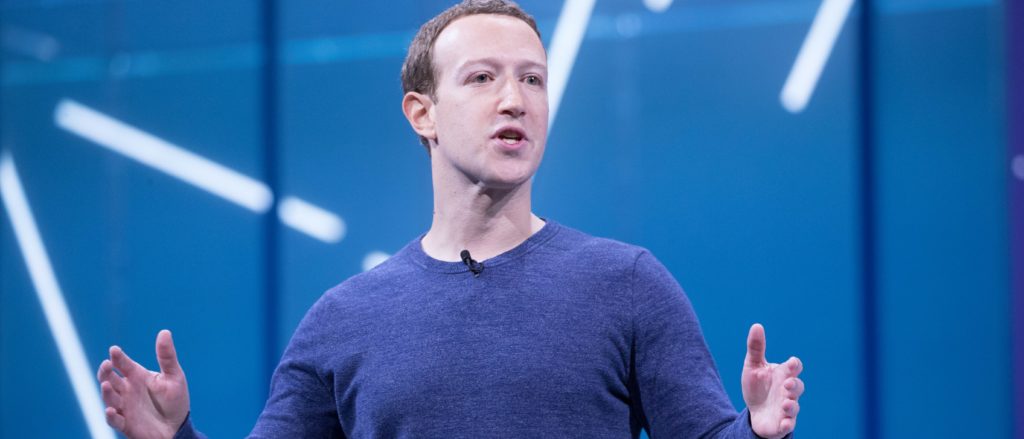

Mark Zuckerberg expressed regret Monday that Facebook caved to pressure by the Biden-Harris administration to censor content.
Zuckerberg admitted in a letter to House Judiciary Committee Chairman Jim Jordan that senior Biden administration officials “repeatedly pressured” Facebook teams to suppress COVID-19 content that the platform otherwise would not have restricted, and expressed frustration when Facebook disagreed. Zuckerberg told Jordan he now feels strongly that the platform should not compromise its standards “due to pressure from any Administration in either direction.”
“I believe the government pressure was wrong, and I regret that we were not more outspoken about it,” Zuckerberg wrote. “I also think we made some choices that, with the benefit of hindsight and new information, we wouldn’t make today.”
Zuckerberg wrote that Facebook is “ready to push back if something like this happens again.”
Zuckerberg also conceded in the letter that the platform should not have censored the New York Post’s Hunter Biden laptop story, noting the FBI had warned the platform “about a potential Russian disinformation operation about the Biden family and Burisma in the lead up to the 2020 election.”
“That fall, when we saw a New York Post story reporting on corruption allegations involving then-Democratic presidential nominee Joe Biden’s family, we sent that story to fact-checkers for review and temporarily demoted it while waiting for a reply,” he wrote. “It’s since been made clear that the reporting was not Russian disinformation, and in retrospect, we shouldn’t have demoted the story.”
Zuckerberg wrote that the platform “no longer temporarily demotes things in the U.S. while waiting for fact-checkers.”