



MARLY HORNIK: Unverified Voters May Be A Bigger Problem Than Anyone Realized
Many common-sense Americans wonder why we don’t use voter ID. The answer is nuanced. Under existing law, states have a dual responsibility to protect eligible voters against denial of the vote, equally as against…
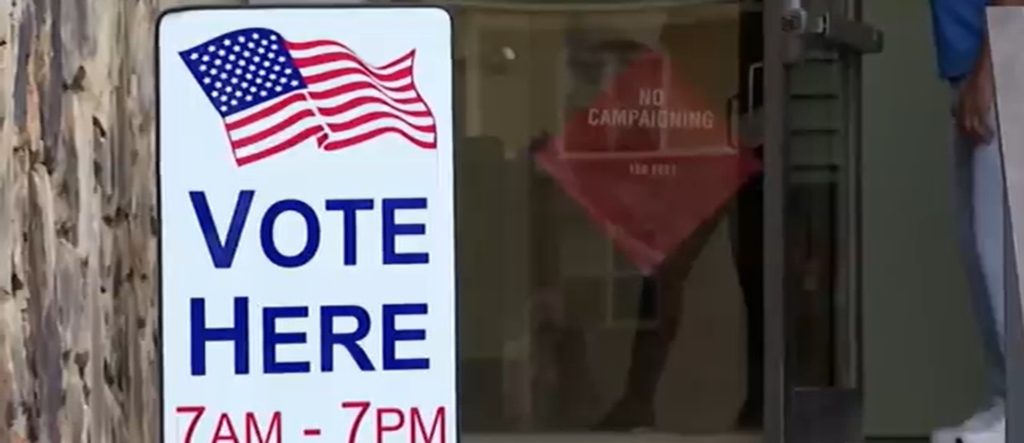

Many common-sense Americans wonder why we don’t use voter ID. The answer is nuanced.
Under existing law, states have a dual responsibility to protect eligible voters against denial of the vote, equally as against dilution of the vote through fraud. Blocking ongoing legislation and litigation efforts to secure voter ID for over a decade has been the argument that it will cause massive disenfranchisement of minority voters, who will be unable to prove their citizenship with appropriate documents.
The arguments on both sides have been purely theoretical, but the diversity, equity and inclusion (DEI) lawfare has been very real. Groundbreaking new studies measuring each side of the dilemma have finally brought facts to bear, showing that denial of the vote is the paper tiger, while dilution of the vote through votes counted from fictitious, unverified voters may be a bigger problem than anyone realized.
United Sovereign Americans extensively studied whether votes were counted from unverified identities during the 2022 midterm elections of California, Georgia, Illinois, Michigan, New York, Ohio and Pennsylvania. Using official state records and extensive voter identity verification, USA analysts asked three questions:
Does the voter exist?
Did the voter live at the address they voted from in 2022?
Were votes counted without any voter at all?
USA measured 2,189,483 voters who voted in the seven subject states who do not exist, and 4,840,975 voters who voted from addresses they did not live at. Additionally, the seven states counted a total of 1,449,054 more votes than voters who voted. These indefensible betrayals of the law add up to 21.6% of the total certified vote in just those seven states.