




MATTHEW KOLKEN: Cases Poised To Reshape US Immigration Law
Over the next year, several major immigration cases are poised to reshape the landscape of U.S. immigration law, specifically in the areas of birthright citizenship, asylum procedures, and the due process afforded…
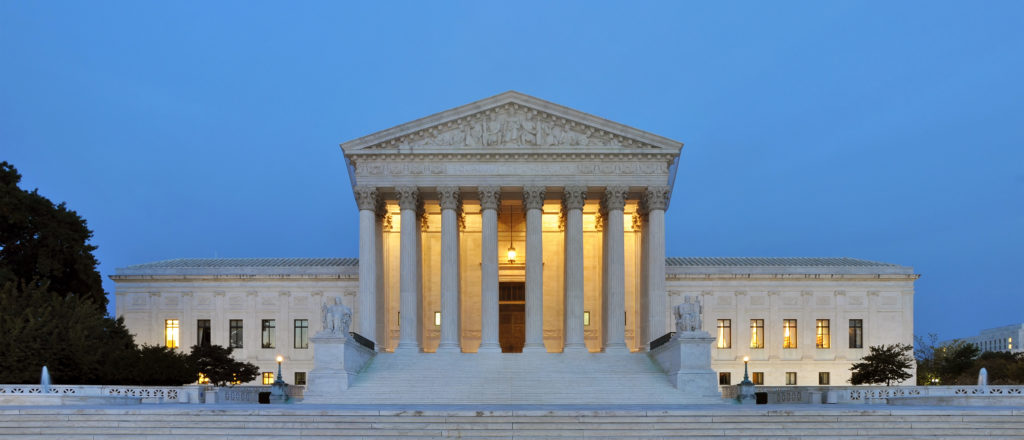

Over the next year, several major immigration cases are poised to reshape the landscape of U.S. immigration law, specifically in the areas of birthright citizenship, asylum procedures, and the due process afforded noncitizens before they may be deported. Many of these cases are before the Supreme Court or are moving through the federal courts of appeals. Should the Trump administration secure victories, the cumulative effect would be a significant shift toward enforcement-centric interpretations of the immigration law and the United States Constitution.
The most consequential case on the Supreme Court’s calendar is Barbara v. Trump, which challenges Executive Order 14160, President Trump’s exclusion of birthright citizenship for children born on U.S. soil to undocumented parents and birth tourists. Lower courts enjoined the executive order, relying on longstanding precedent—most notably United States v. Wong Kim Ark (1898)—holding that the Fourteenth Amendment confers citizenship on nearly all persons born on U.S. soil. The administration argues that the Citizenship Clause was intended to secure citizenship for newly freed slaves, not to guarantee citizenship to the children of noncitizens with no durable legal connection to the country. Certiorari was granted in December 2025, and arguments are expected in spring 2026.
Another closely watched case, Noem v. Al Otro Lado, addresses whether an alien stopped on the Mexican side of the U.S.-Mexico border is someone “arriving in” the U.S., and the legality of the policy of “metering” asylum requests at ports of entry. Customs and Border Protection limit the number of asylum seekers processed each day during periods of high demand. The Ninth Circuit held that the policy violates the Immigration and Nationality Act, reasoning that individuals who present themselves at ports of entry—even if turned away—are “arriving in” the United States and therefore entitled to seek asylum. The administration argues that metering is a necessary tool to manage finite resources and maintain order at ports. The Supreme Court is expected to hear arguments in early 2026.
The Supreme Court has already heard arguments in Urias-Orellana v. Bondi, a case that probes the degree of deference federal courts owe the Board of Immigration Appeals when applying the statutory definition of “persecution.” The case involves a Salvadoran family whose claims of gang threats and limited physical harm were deemed insufficient by the BIA to satisfy the burden of proof for asylum. The First Circuit upheld that determination. At stake is whether courts must defer to the BIA’s judgment, or whether judges may independently assess whether undisputed facts meet the legal threshold for persecution. A decision is expected this spring.