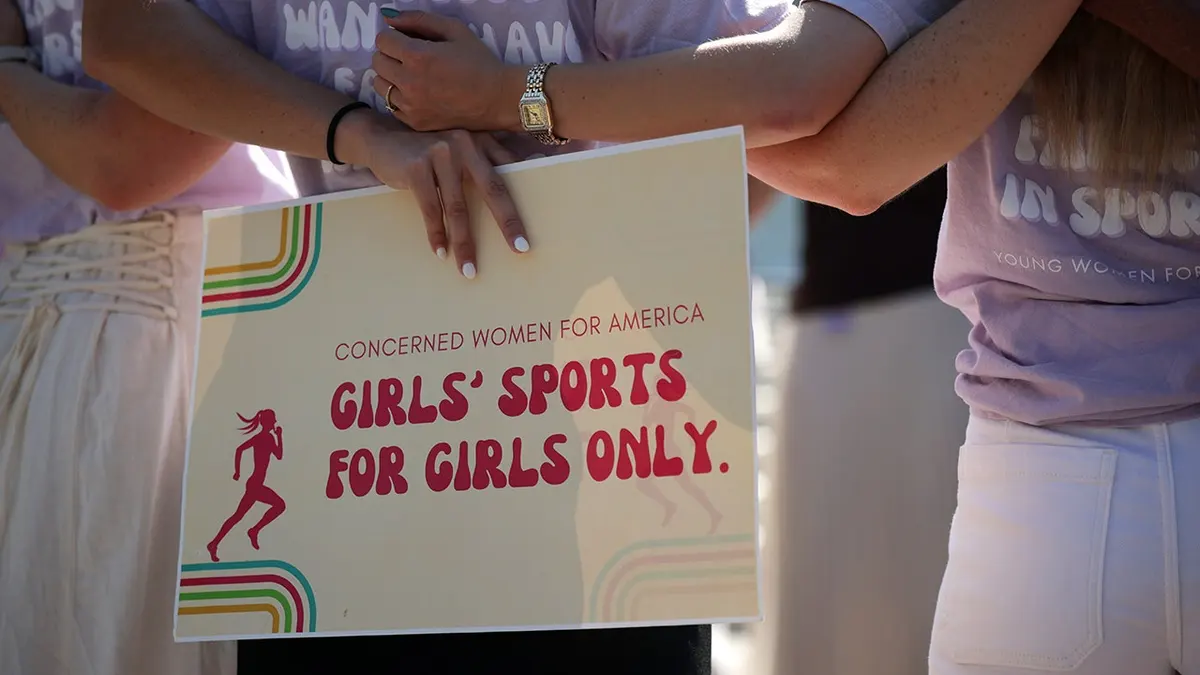
Melania Trump Praises SCOTUS Decision on Transgender Athletes Melania Trump took to social media to commend the Supreme Court’s recent rulings on transgender athletes in women’s sports. The First Lady, known for her balanced approach, emphasized the importance of protecting female athletes while supporting the LGBTQIA+ community. “As many of you may know, I fully […]
Melania Trump Praises SCOTUS Decision on Transgender Athletes
Melania Trump took to social media to commend the Supreme Court’s recent rulings on transgender athletes in women’s sports. The First Lady, known for her balanced approach, emphasized the importance of protecting female athletes while supporting the LGBTQIA+ community.
“As many of you may know, I fully support the LGBTQIA+ community. But we must also ensure that our female athletes are protected and respected,” Melania Trump wrote. Her statement reflects a nuanced stance, acknowledging the rights of all individuals while advocating for fairness in sports.
The SCOTUS Rulings: A Closer Look
The Supreme Court made two significant rulings on transgender athletes in women’s sports. In a 9-0 decision, the court upheld West Virginia’s ban on transgender athletes in female sports. Additionally, a 6-3 ruling supported Idaho’s similar legislation. These decisions have far-reaching implications for the future of sports policies.
Justice Kavanaugh wrote that Title IX permits separation by biological sex, reinforcing the legal foundation for these state bans. According to NBC News, the rulings have been widely celebrated by those who believe in maintaining separate sports categories based on biological differences.
President Donald Trump also weighed in, posting on Truth Social, “BIG WIN: The United States Supreme Court just RULED AGAINST MEN PLAYING IN WOMEN’S SPORTS. Wow! That takes that ridiculous situation off the table!!!” His enthusiastic response highlights the political significance of the court’s decision.
The Impact on Everyday Americans
The SCOTUS rulings have a direct impact on families and communities across America. For many, the decision ensures that female athletes can compete in a fair and equitable environment. This is particularly important for young girls and women who aspire to excel in sports.
Sponsored
Sponsored
Melania Trump Responds To SCOTUS Ruling — IJR
Melania Trump’s support for the ruling aligns with her advocacy for women’s issues. “America, we can support the rights of the LGBTQIA+ community and also protect opportunities for female athletes. Respect everyone and keep girls’ sports fair,” she stated. This message resonates with conservative values, emphasizing respect and fairness.
The rulings also address concerns about the integrity of women’s sports. Many parents and coaches have long argued that allowing transgender athletes to compete in women’s sports could undermine the achievements of female athletes. The court’s decision provides clarity and guidance for schools and athletic organizations.
Analysis: Balancing Rights and Fairness
The SCOTUS rulings on transgender athletes in women’s sports represent a significant step in balancing individual rights with the need for fair competition. The court’s decision to uphold state bans based on biological sex is a clear signal that the legal framework supports maintaining separate categories for male and female athletes.
Melania Trump’s support for the ruling demonstrates a thoughtful approach to a complex issue. By acknowledging the rights of the LGBTQIA+ community while advocating for the protection of female athletes, she offers a balanced perspective that many Americans can appreciate.
The political implications of these rulings are also noteworthy. President Trump’s positive reaction on Truth Social underscores the political capital that can be gained by championing issues that resonate with conservative voters. The SCOTUS decision is likely to bolster support for similar legislation in other states.
However, the debate is far from over. Advocates for transgender rights continue to push for inclusive policies that recognize the identities of all individuals. The challenge lies in finding a middle ground that respects everyone’s rights while ensuring fair competition in sports.
In the coming months, it will be crucial to monitor how schools and athletic organizations implement these rulings. The decisions will shape the future of sports policies and have a lasting impact on the lives of athletes and their families.
What to Watch Next
As the dust settles on the SCOTUS rulings, several key developments are on the horizon. First, the implementation of these decisions by schools and athletic organizations will be closely watched. How these institutions adapt to the new guidelines will determine the practical impact on female athletes and transgender individuals.
Second, the political landscape will likely see increased efforts to pass similar legislation in other states. The success of these initiatives will depend on public support and the ability of lawmakers to navigate the complex issues involved.
Finally, the broader conversation about transgender rights and sports will continue. Advocates on both sides will likely engage in further debates and discussions, seeking to find common ground and promote understanding.
Key Takeaways
Melania Trump praised the SCOTUS decision, balancing support for the LGBTQIA+ community with the protection of female athletes.
The Supreme Court upheld state bans on transgender athletes in women’s sports, reinforcing the legal basis for separate categories based on biological sex.
The decision has significant implications for the future of sports policies and the rights of both female athletes and transgender individuals.
Political and social debates on transgender rights and sports will continue, with a focus on finding common ground and promoting understanding.
Frequently Asked Questions
Why did Melania Trump praise the SCOTUS decision?
Melania Trump praised the SCOTUS decision because it protects female athletes while supporting the LGBTQIA+ community, reflecting a balanced approach to a complex issue.
What were the main rulings by the Supreme Court?
The Supreme Court ruled 9-0 in favor of West Virginia’s ban on transgender athletes in women’s sports and 6-3 in favor of Idaho’s similar legislation, upholding state bans based on biological sex.
How does the SCOTUS decision impact women’s sports?
The SCOTUS decision ensures that women’s sports remain fair and competitive by allowing schools to maintain separate categories based on biological sex, protecting the achievements of female athletes.