



Mexican Cartels Increasingly Using Drones to Replace ‘Scouts’
Mexican cartels are increasing their use of drones to replace human scouts to monitor the activity of U.S. Border Patrol agents along the border. The drones are reportedly replacing the human scouts who were frequently…
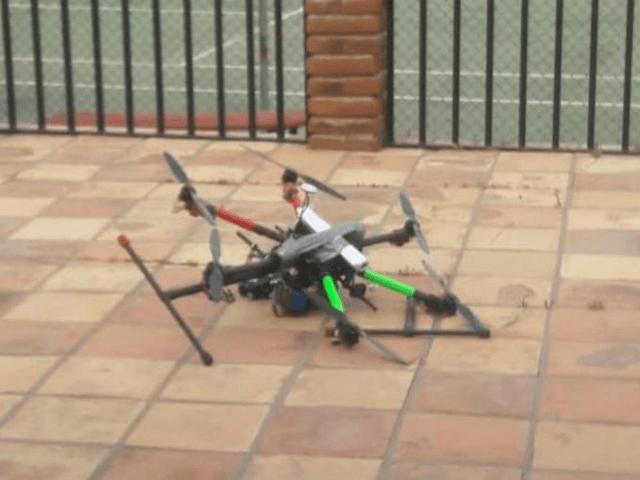
Mexican cartels are increasing their use of drones to replace human scouts to monitor the activity of U.S. Border Patrol agents along the border. The drones are reportedly replacing the human scouts who were frequently minors.
Walkie-talkie radios, cell phones, and binoculars, once a critical tool for low-level cartel lookouts stationed in strategic locations to spy on Military, Law Enforcement, and rival cartel movements, are being replaced by drones. The drones, which the cartels can purchase inexpensively online, have evolved to be the preferred method to inform and guide cartel movements after many of the lookouts have been identified, located, and picked up by rival cartels who could easily spot the delinquents. Rival cartel members are now hunting down suspected lookouts loitering on street corners and park benches, sending texts through their phones. It is an automatic indictment on the unsuspecting youths if they are unfortunate enough to be caught holding a walkie-talkie radio.
Being a cartel lookout was typically a young man’s sport that seemed benign and was considered a stepping stone into the narco-life; however, rival cartels are now actively seeking the lookouts and either killing them on the spot at best or kidnapping them. After extracting any potential information that can be used as counterintelligence for the cartel, they likely face a slow, torturous death.
As far back as 2008, several reports of cartels deploying drones to fly over prison yards to smuggle drugs and drop contraband quickly presumably evolved to being used to surveil and monitor movements. Drones have replaced the use of young lookouts, who are increasingly getting harder to recruit and rarely seen in heavy cartel activity areas. Drone technology is low-risk and has essentially replaced lookouts. The cartels have significantly expanded their use to include being armed with explosives and used to attack rival factions, military personnel, and law enforcement authorities.
According to a businessman living in Guamuchil, Sinaloa, who often travels to Culiacan, Sinaloa, the current epicenter of cartel violence, does not see what he referred to as “halcones” or “puntos,” another term for lookouts, as he once did a few months ago. He said the lookouts were easy to spot because they made no attempt to hide and seemed somewhat cavalier in their duties as lookouts. The source mentioned rival cartels have targeted lookouts, significantly reducing their visibility in Sinaloa. Lookout recruits, according to some rumors, are now being cross-trained to fly drones, a far less dangerous alternative to being caught red-handed working with the local cartel. He said they regularly post drone videos on social media touting their activities, but he added that he quickly deletes them. Cartel Chronicles asked why, and he replied that there are many cartel checkpoints and that they will scroll through your phone to look for evidence of collaborating with the rival cartel. He said any minor infraction could earn you a “tablazo,” where the cartels remove you from your vehicle and make you place your hands on the hood of your car. A drugged-out cartel member wielding a large wooden board will swat you several times as a warning. He said removing all videos that the cartels can misconstrue as collaborating with the enemy is best.