




MIKE DUNLEAVY: Why I Support Returning To Traditional Elections
In recent years, we’ve seen several changes to our state’s election system, including the adoption of ranked-choice voting (RCV) following the passage of Ballot Measure 2 in 2020. I want to speak plainly with you today…
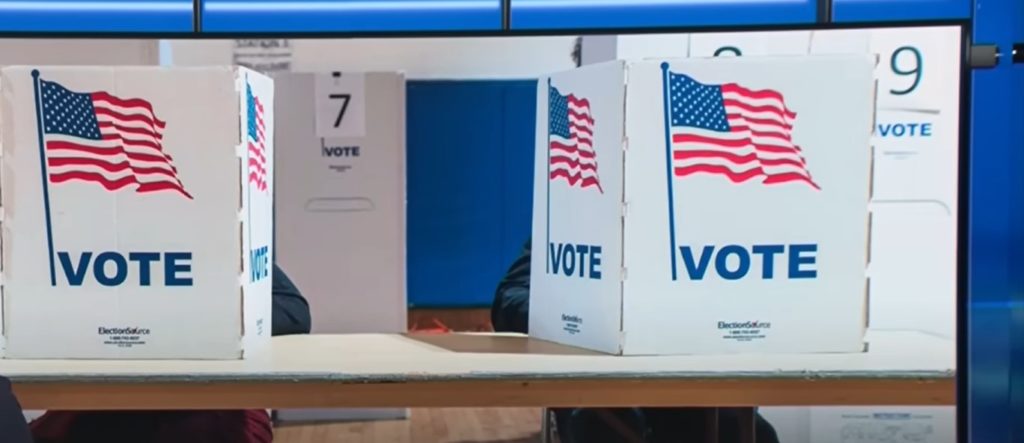

In recent years, we’ve seen several changes to our state’s election system, including the adoption of ranked-choice voting (RCV) following the passage of Ballot Measure 2 in 2020. I want to speak plainly with you today about where I stand on this issue and why I believe Alaska should return to the traditional method of voting that served our state well for decades.
Let me start by acknowledging a simple fact: I have been elected governor under both systems. I won under the traditional voting method in 2018 and again under ranked-choice voting in 2022. So, my position on this issue is not about political gain or loss. It is about trust, clarity, and confidence in our electoral process.
Ranked-choice voting was pitched as a reform to solve a problem that, frankly, didn’t exist in Alaska. We were told it would reduce partisanship, promote consensus candidates, and make elections more fair. In reality, what we got was a system that confused voters, made outcomes less transparent, and created deep concerns about how votes are tabulated and who ultimately decides an election.
When I talk with Alaskans, whether in urban Anchorage, on the Kenai, or in rural communities from Bethel to Kotzebue, the message I hear time and again is the same: ranked-choice voting is complicated, and many people don’t trust it. That’s not just a perception problem; it’s a legitimacy problem. For any election system to work, voters must understand how it functions and believe in its fairness. RCV fails on both counts.
Here’s how. Under the traditional method, you vote for the candidate you support. The candidate with the most votes wins. It’s simple, straightforward, and easy to understand. But under ranked-choice voting, you’re asked to rank candidates in order of preference: 1st, 2nd, 3rd, and so on. If no candidate gets a majority of first-choice votes, a computerized process kicks in, redistributing ballots according to preferences until someone gets over 50%. While this may sound neat in theory, in practice, it’s left many Alaskans scratching their heads.
In some cases, the candidate who receives the most first-choice votes doesn’t win. That undermines a basic sense of fairness. In other cases, ballots are “exhausted” because voters didn’t rank every candidate. That means those votes are discarded in later rounds of counting, effectively silencing the voter. And because the final tally depends on a computer-run algorithm, we lose the immediacy and transparency of watching precincts report on election night.