



Missouri AG Andrew Bailey Launches New Effort To Stop Big Tech Censorship
Missouri Attorney General Andrew Bailey took a unique step this week to combat social media censorship. Bailey issued a rule Tuesday under the Missouri Merchandising Practices Act, the first of its kind, that would…
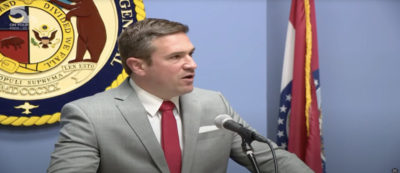
Missouri Attorney General Andrew Bailey took a unique step this week to combat social media censorship.
Bailey issued a rule Tuesday under the Missouri Merchandising Practices Act, the first of its kind, that would require major platforms to allow users to select third-party content moderators, rather than relying on the platform’s own algorithm.
“Big Tech oligarchs have manipulated the content Missourians see online and silenced voices they don’t like. That ends now,” Attorney General Andrew Bailey said in a statement. “With this rule, Missouri becomes the first state in America to take real, enforceable action against corporate censorship. I’m using every tool to ensure Missourians — not Silicon Valley — control what they see on social media.”
Under the rule, platforms are required to present users with a “choice screen” when they sign up and after every six months, eliminate pre-selected defaults and allow third-party moderators to access their platforms. The rule does not prevent platforms from blocking content like child exploitation or illegal threats, according to a press release.
The process for finalizing a rule takes around 180 days, which the Missouri Attorney General’s Office (AGO) told the DCNF should give them enough time to prepare, given that third-party moderation services already exist.
“he large social media companies are sophisticated actors who have considerable expertise in the subject matter,” the office told the DCNF. “However, if such companies file comments during the public comment period justifying the need for additional time, the AGO would take these concerns into account.”