



More Women Than Men in US Nervous About Fast Rollout of COVID Vaccine, and That’s a Problem: Reuters/Ipsos Poll
American women, who traditionally make most of the healthcare decisions in their families, are more wary than men of the new, rapidly developed COVID-19 vaccines, according to a Reuters/Ipsos poll, presenting a…
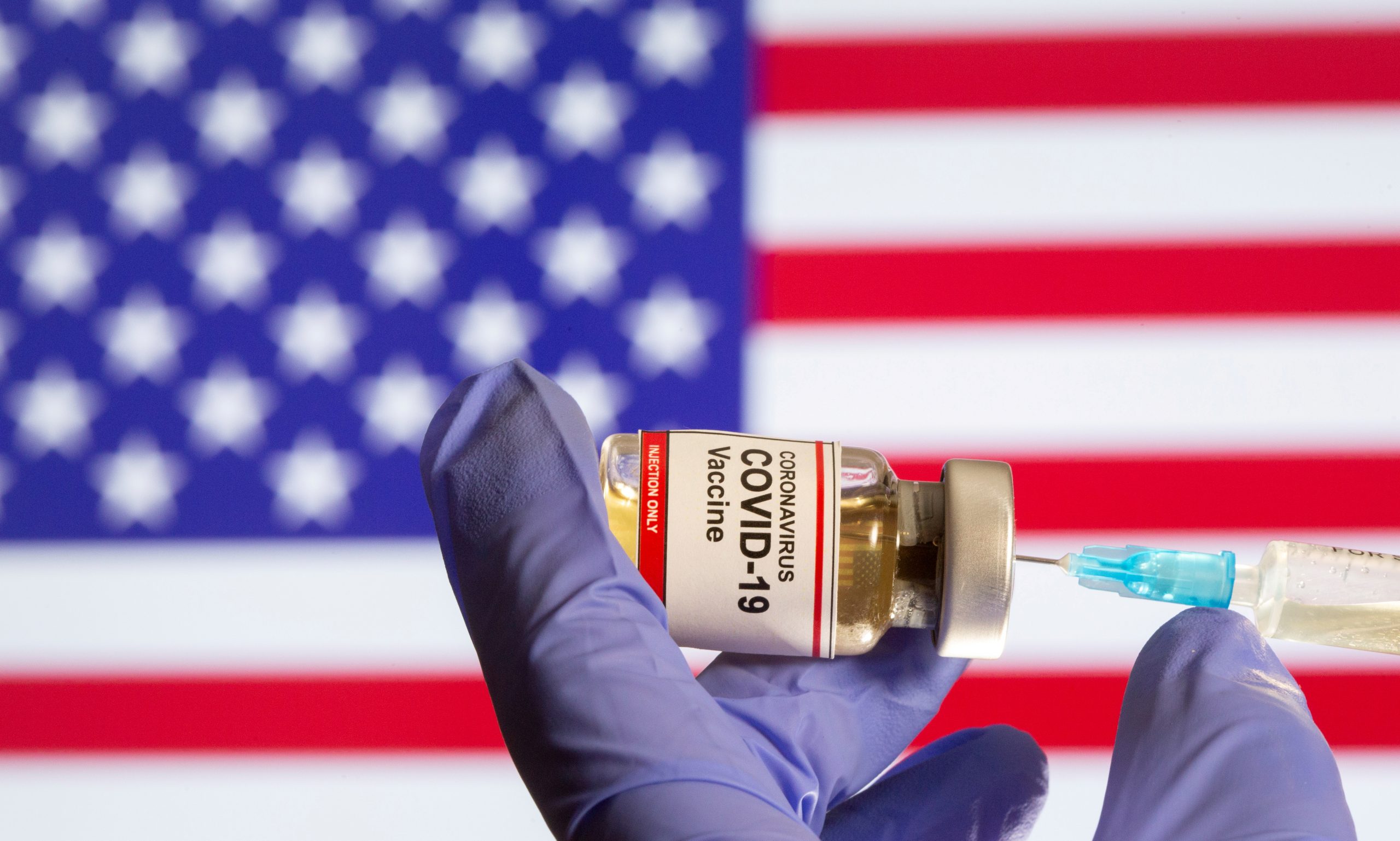
American women, who traditionally make most of the healthcare decisions in their families, are more wary than men of the new, rapidly developed COVID-19 vaccines, according to a Reuters/Ipsos poll, presenting a potential challenge to efforts to immunize the public.
The Dec. 2-8 national opinion survey showed that 35% of women said they were “not very” or “not at all” interested in getting a vaccine, an increase of 9 points from a similar poll conducted in May when vaccines were still being developed.
Some 55% of women said they were “very” or “somewhat” interested in getting vaccinated, a drop of about 6 percentage points in the same time span. Meanwhile, 68% of men said they would get vaccinated, which is unchanged from May.
Overall, 61% of Americans said in December that they are open to getting vaccinated – a 4 point decline since the May poll. The latest survey also recorded a sharp drop in the number of parents willing to give their children the vaccine – 53% versus 62% in May.
Convincing women to accept the vaccine will be critical for slowing the spread of the novel coronavirus because mothers tend to be the ones who make doctor’s appointments and keep up with immunizations, said Rupali Limaye, director of behavioral and implementation science at Johns Hopkins Bloomberg School of Public Health.
“Women just tend to be more careful. They tend to do a lot more reading,” Limaye said, so assuring them that no shortcuts were taken in the vaccine approval process will be crucial.
Mothers make about 80 percent of health care decisions for their children and are more likely to be the caregivers when a child falls ill, according to the U.S. Department of Labor.
And a 2018 World Health Organization study found that by empowering Southeast Asian women and improving their access to medical information, child vaccine coverage and health outcomes improved.
Among women who said in the Reuters/Ipsos survey they were not interested in the vaccine, 60% said they were “nervous about getting vaccinated right away with a new vaccine that has been approved so quickly.” And 48% of those disinterested women said “the risks of taking a new vaccine outweigh any benefits.”